
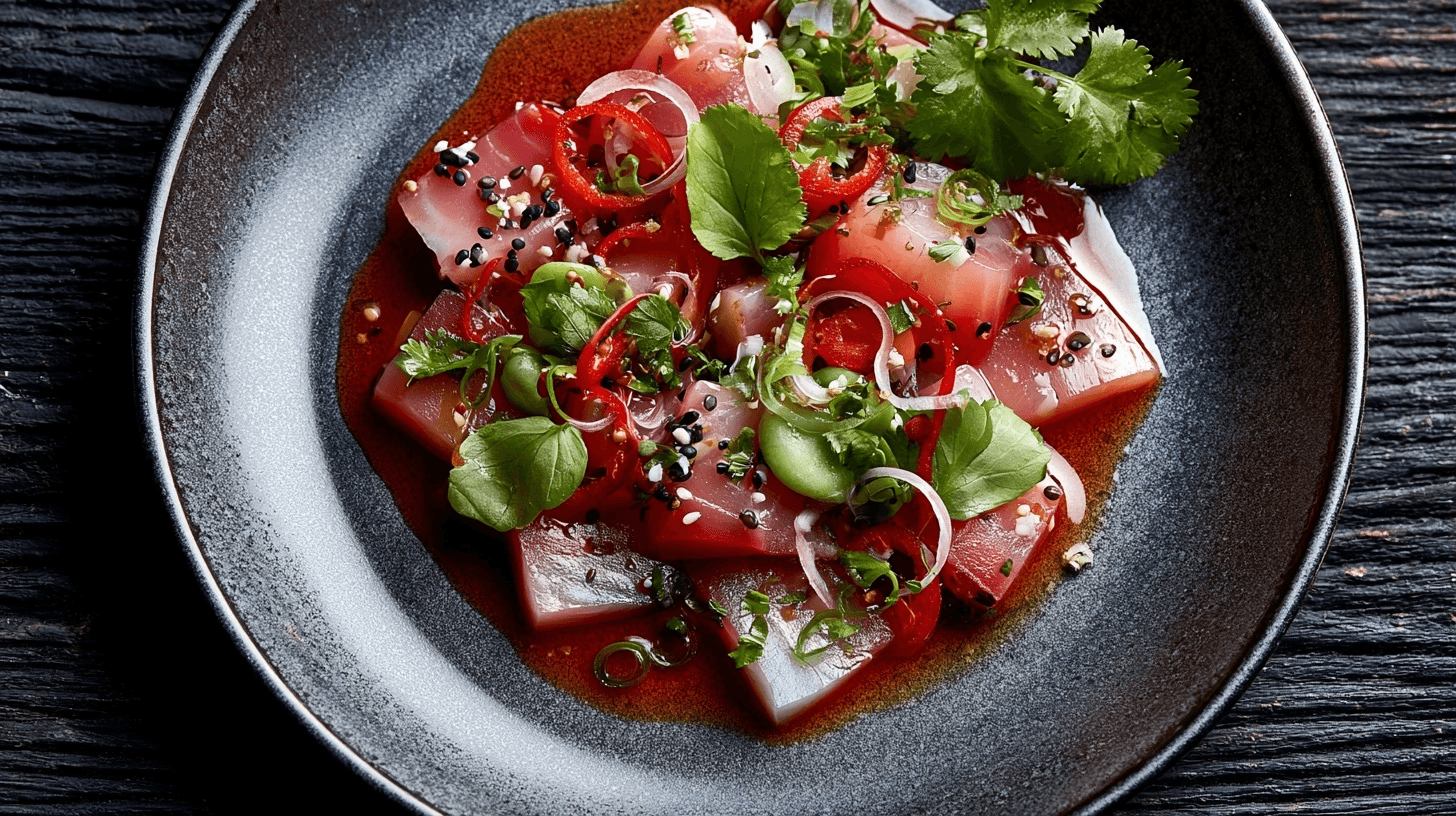
Are you looking for a refreshing and flavorful dish that highlights the natural taste of seafood? Consider dishes featuring raw fish tossed in sauce. This culinary technique involves combining fresh, uncooked fish with a vibrant dressing or marinade. The result is a delightful explosion of flavors and textures.
Many global cuisines embrace this preparation method. Think of Hawaiian poke bowls or Japanese sashimi. These dishes showcase high-grade fish, often salmon or tuna, prepared with precision. The key lies in selecting the freshest ingredients and crafting the perfect sauce. This sauce enhances, rather than overpowers, the delicate seafood. Common ingredients include soy sauce, sesame oil, and citrus juices. Sometimes, a touch of sweetness from cookie jam or a hint of spice elevates the experience. The fish is gently tossed, ensuring every piece is coated in the delicious mixture. This method allows for endless creativity in the kitchen. What kind of sauce will you create for your next seafood dish?
What is Raw Fish Tossed in Sauce? Defining Key Dishes
Raw fish delicately mixed
Popular Raw Fish Dishes Tossed in Sauce
What are some popular raw fish dishes
Ceviche: A Citrus-Marinated Delight
Ceviche is a vibrant dish featuring seafood marinated in citrus. This preparation method “cooks” the seafood without heat. The acid in the citrus denatures the proteins. This gives the fish a firm, opaque texture.
Authentic ceviche often uses white fish like snapper or cod. The fish is cut into bite-sized pieces. It is then steeped in a mixture of lime juice, onions, and cilantro. Some recipes also include a hint of chili for a spicy kick. This creates a refreshing and tangy salad.
Peruvian ceviche often includes aji amarillo. Mexican versions might feature tomatoes and avocado. The key is fresh ingredients and quick preparation. You can find many recipes online. Consider adding a dash of fish sauce for extra depth. However, avoid too much as it can overpower the delicate flavors. This dish differs from sushi, which often uses rice and different flavor profiles. Some might even sprinkle a pinch of togarashi or a swirl of sriracha for an extra layer of heat.
Poké: The Hawaiian Bowl Sensation
Poké is a traditional Hawaiian dish, what makes it a sensation? It features diced raw fish, usually tuna, served as an appetizer or a main course. This delightful preparation combines fresh seafood with various seasonings. It often includes soy sauce, sesame oil, and seaweed.
The dish gained international popularity as a “poké bowl.” These bowls typically include a base of rice. They also feature an assortment of fresh vegetables. Common additions are avocado, cucumber, and edamame. The fish is gently combined with a flavorful dressing. This ensures every piece is coated beautifully. This creates a balanced and satisfying meal.
Sashimi Salads: Light and Flavorful
Sashimi salads offer a light and flavorful way to enjoy premium seafood, but how are they prepared? These dishes typically feature thinly sliced, high-quality seafood arranged artfully over a bed of fresh greens. The key lies in the delicate dressing. This dressing enhances the natural taste of the fish.
Common ingredients for these dressings include citrus juices and rice vinegar. A touch of ginger or a sprinkle of herbs adds complexity. Sometimes, a hint of spice from chili flakes elevates the experience. The fresh seafood is gently combined with the dressing just before serving. This ensures maximum flavor and texture. These salads are perfect as a sophisticated appetizer. They also make a refreshing main course.
Choosing the Right Fish for Raw Preparations
Choosing the Right Fish for Raw Preparations
What fish varieties are best suited for eating raw? Selecting the appropriate seafood is crucial for safety and flavor. Look for very fresh, high-quality catches. The fish should come from a reputable source.
Tuna is a popular choice for many raw dishes. Varieties like bigeye or yellowfin offer a rich flavor and firm texture. Salmon is another excellent option. Its buttery texture and vibrant color make it appealing. However, always ensure it is sushi-grade. This means it has been frozen to eliminate parasites.
Other good options include snapper, halibut, and mackerel. These offer diverse tastes and textures. Always avoid freshwater fish for raw consumption. They pose a higher risk of parasites. Furthermore, ensure any seafood intended for raw use is handled properly. Keep it chilled at all times. This maintains its freshness and safety.
Ensuring Freshness and Safety
How can you ensure the freshness and safety of your raw fish dishes? Sourcing high-quality seafood is paramount. Always choose fish from a trusted supplier. This supplier should specialize in products suitable for raw consumption.
Look for fish that has clear eyes and firm flesh. It should also have a mild, fresh aroma. Avoid any fish with a strong or unpleasant smell. Furthermore, proper handling at home is critical. Keep the fish refrigerated at all times. Use it as quickly as possible.
Consider the origin of your seafood. Sustainable and responsibly sourced options are often fresher. They also contribute to healthier oceans. Freezing fish to specific temperatures eliminates potential parasites. This is a common
Where to Buy Sushi-Grade Fish
Do you wonder where to find top-quality seafood for your culinary creations? Sourcing premium ingredients is essential for any dish involving uncooked fish. Start your search at reputable seafood markets. These establishments
Crafting the Perfect Sauce for Raw Fish
Crafting the Perfect Sauce for Raw Fish
What goes into making an exceptional accompaniment for uncooked
Common Sauce Bases and Flavor Profiles
What are the common foundations and taste characteristics of sauces for uncooked seafood? Many delightful preparations featuring fresh seafood rely on a few key components. These ingredients create a balanced and flavorful experience.
Citrus juices form a popular base. Lime, lemon, and yuzu add a bright, acidic tang. Rice vinegar also provides a gentle acidity. These elements “cook” the delicate proteins in the fish. This process is called denaturation.
Asian-inspired varieties often feature ginger and garlic. These ingredients provide a pungent, aromatic kick. A touch of chili adds a welcome warmth. Nutty undertones can come from ground nuts or seeds. These sauces enhance the natural taste of the seafood.
Recipes for Popular Sauces (e.g., Creamy Togarashi, Spicy Fish Sauce)
Are you looking for specific instructions to create delectable flavor enhancements for your delicate seafood? Crafting the perfect accompaniment elevates the experience of enjoying fresh seafood. Here are some popular options.
A creamy togarashi blend offers a rich, spicy kick. This versatile mixture pairs wonderfully with various types of seafood. Alternatively, a zesty fish sauce provides a vibrant, umami-rich counterpoint. Both options are easy to prepare at home.
| Sauce Type | Key Ingredients |
|---|---|
| Creamy Togarashi | Mayonnaise, Shichimi Togarashi, Lime juice |
| Spicy Fish Sauce | Fish condiment, Chili flakes, Garlic, Citrus juice, Sugar |
These simple recipes allow you to customize the intensity. Adjust the heat or tang to suit your personal taste. Experiment with different ratios for unique results.
Enhancing Texture and Flavor: Add-ins and Garnishes
How can you elevate the texture and taste of your prepared seafood? Thoughtful additions and decorative elements can transform a simple preparation into a culinary masterpiece. These components add depth and visual appeal.
Crunchy elements provide a delightful contrast. Consider crispy fried shallots or toasted nuts. Thinly sliced radishes also offer a pleasant bite. Fresh herbs like cilantro or mint introduce bright, aromatic notes.
Fruit pieces can add a sweet and tangy dimension. Diced mango or avocado brings a creamy texture. These ingredients complement the delicate proteins. They create a harmonious blend of tastes and sensations.
Tips for Preparing and Serving Raw Fish Dishes
How can you ensure your uncooked seafood creations are both safe and delicious? Following proper guidelines for handling and presentation
FAQ – Frequently Asked Questions
What is raw fish tossed in sauce called?
Many culinary traditions feature preparations of uncooked fish mixed with flavorful liquid accompaniments. Popular examples include poke, a Polynesian dish, and ceviche from Latin America. These dishes highlight fresh seafood with various marinades.
Is ceviche raw fish tossed in sauce?
Yes, ceviche is indeed a preparation of uncooked seafood enhanced with a marinade. The acidic components in the marinade, typically citrus extracts, “cook” the protein. This process changes the texture and appearance of the seafood.
What kind of condiment do you put on raw fish?
The type of condiment depends on the regional cuisine. Common options include citrus-based mixtures, oil-based vinaigrettes, or creamy emulsions. Some preparations use mixtures with ginger, garlic, and a hint of sweetness. The goal is to complement the natural taste of the seafood.
How long can raw fish preparations last in the fridge?
Uncooked seafood dishes should be consumed quickly for optimal freshness and safety. Generally, they are best enjoyed within 24 hours when refrigerated. Always store them in an airtight container to maintain quality.
Can I use frozen fish for raw preparations?
You can use previously frozen seafood for uncooked dishes, provided it was frozen properly. Ensure the seafood is “sushi-grade” or “sashimi-grade” for safety. Thaw it slowly in the refrigerator before preparing.
PrintSpicy Tuna Poke Bowl
- Total Time: 20 minutes
- Yield: 2 servings 1x
Description
A refreshing and flavorful Hawaiian-inspired poke bowl featuring fresh tuna tossed in a spicy sauce, served over rice with various toppings.
Ingredients
For the Poke:
1 lb sushi-grade tuna, cut into 1/2-inch cubes
1/4 cup soy sauce
2 tbsp sesame oil
1 tbsp rice vinegar
1 tbsp sriracha (or to taste)
1 tsp grated fresh ginger
1/2 tsp red pepper flakes (optional)
2 green onions, thinly sliced
1/4 cup chopped fresh cilantro
For the Bowl:
2 cups cooked sushi rice
1/2 avocado, sliced
1/4 cup shelled edamame
1/4 cup shredded carrots
1/4 cup cucumber, diced
Sesame seeds for garnish
Nori strips for garnish (optional)
Instructions
Prepare the Poke:
In a medium bowl, combine the soy sauce, sesame oil, rice vinegar, sriracha, grated ginger, and red pepper flakes (if using). Whisk until well combined.
Add the cubed tuna, sliced green onions, and chopped cilantro to the sauce. Gently toss to coat all the tuna pieces evenly. Cover the bowl and refrigerate for at least 15 minutes to allow the flavors to meld.
Assemble the Bowls:
Divide the cooked sushi rice evenly among two serving bowls.
Spoon the marinated tuna poke over the rice in each bowl.
Arrange the sliced avocado, edamame, shredded carrots, and diced cucumber around the tuna.
Garnish with sesame seeds and nori strips, if desired.
Serve immediately and enjoy!
- Prep Time: 20