
A Tarte Tatin recipe creates a sophisticated French upside-down pastry featuring caramelized apples nestled under a crisp, buttery crust. Eminent Recipes focuses on accessible techniques that transform humble ingredients into a show-stopping dessert for your family table. This recipe works because the balanced, one-pot approach simplifies a classic French bistro staple, making it reliable for busy weeknights or special weekend celebrations.
Why This Recipe Works
This Tarte Tatin recipe stands out because it relies on basic pantry staples to achieve professional results. By preparing the caramel and fruit in the same oven-safe skillet used for baking, you reduce dishwashing and maximize flavor development. My approach ensures the apples become tender while the crust maintains a delicate, buttery texture that contrasts perfectly with the deep, sticky caramel.
You will appreciate the flexibility of this dish, as it adapts well to different apple varieties or seasonal fruit additions. The straightforward process removes the intimidation often associated with French baking. I developed this method at Eminent Recipes to ensure that even novice bakers can achieve a consistent, golden-brown finish every time they prepare this elegant classic.
Recipe Overview
| Metric | Details |
|---|---|
| Prep Time | 20 minutes |
| Cook Time | 40 minutes |
| Total Time | 60 minutes |
| Servings | 8 servings |
| Difficulty | Intermediate |
| Cuisine | French |
Ingredients
| Ingredient | Quantity | Notes |
|---|---|---|
| Apples (Firm) | 6 medium (900g) | Granny Smith or Honeycrisp |
| Sugar | 140g | Divided for filling/crust |
| Unsalted Butter | 200g | Cold, high-quality |
| Lemon Juice | 5ml | Freshly squeezed |
| Cinnamon | 2g | Optional for warmth |
| All-Purpose Flour | 250g | Sifted |
Equipment
- 10-inch oven-safe heavy skillet (cast iron works best)
- Rolling pin
- Paring knife
- Heat-resistant spatula
- Mixing bowl
- Plastic wrap
Step-by-Step Instructions
Pastry Preparation
- Combine flour, 20g sugar, and salt in a large mixing bowl.
- Rub in 125g of cold butter pieces using your fingertips until the texture resembles coarse breadcrumbs.
- Add 60ml of cold water gradually, mixing until a dough forms.
- Shape the dough into a flat disc, wrap it securely, and refrigerate for 20 minutes to firm up.
Caramel and Fruit Assembly
- Peel, core, and quarter the apples, tossing them immediately with lemon juice to prevent browning.
- Melt 120g of sugar in an oven-safe skillet over medium heat until it reaches a deep amber color, swirling the pan carefully to ensure even melting.
- Stir in 75g of butter until the caramel is smooth and glossy.
- Arrange apple quarters in a tight, concentric pattern within the skillet to ensure full coverage.
- Simmer the apples in the caramel for 10-12 minutes until they soften slightly.
Baking and Inverting
- Roll the chilled dough on a lightly floured surface into a circle just slightly larger than your skillet.
- Place the pastry over the apples, tucking the edges firmly down around the inner sides of the pan.
- Bake in a preheated oven at 190°C for 25-30 minutes until the crust is puffed and golden.
- Rest the tart for 10 minutes before placing a serving plate over the skillet.
- Invert the skillet quickly but carefully to release the tart onto your serving platter.
Chef Tips for Perfect Results
- Always select firm apple varieties like Granny Smith to ensure they hold their shape during the high-heat caramelization process.
- Use a heavy-bottomed skillet to distribute heat evenly and prevent the sugar from burning in specific hotspots.
- Handle the dough as little as possible to keep the butter cold, which guarantees a flaky, airy crust upon baking.
- Allow the tart to rest for the full ten minutes; this helps the caramel thicken slightly so it coats the apples properly rather than running off.
Common Mistakes to Avoid
- Overcooking the caramel: If the sugar turns too dark before adding butter, it becomes bitter and ruins the dessert flavor.
- Using warm butter in the pastry: This leads to a dense, greasy crust instead of the desired light, flaky texture.
- Adding too much water: Excess liquid makes the dough sticky and difficult to handle during the rolling process.
- Rushing the inversion: Inverting too quickly while the caramel is too thin results in messy gaps in the apple pattern.
Variations and Substitutions
| Ingredient | Substitution | Flavor Impact |
|---|---|---|
| Sugar | Light Brown Sugar | Adds a deep molasses note |
| Cinnamon | Cardamom | Provides a floral, spicy aromatic finish |
| All-Purpose Flour | Pastry Flour | Yields a more delicate, shortbread-like texture |
Serving Suggestions and Pairings
Serve this dessert warm with a scoop of high-quality vanilla bean ice cream. For a more sophisticated finish, add a dollop of unsweetened crème fraîche, which cuts through the sweetness of the caramelized fruit. It pairs wonderfully with a cup of strong black tea or roasted coffee during a late brunch or a holiday dinner party.
Storage and Reheating
| Method | Duration | Instructions |
|---|---|---|
| Room Temp | 24 hours | Cover with a light cloth to maintain crust crispness |
| Refrigerator | 3 days | Store in an airtight container |
| Reheating | 10 minutes | Warm in a 150°C oven until the pastry is crisp again |
Nutritional Information
Approximate values per serving:
| Nutrient | Amount |
|---|---|
| Calories | 340 kcal |
| Fat | 18g |
| Carbohydrates | 42g |
| Protein | 3g |
Frequently Asked Questions
Can I use different fruits for this recipe?
You can substitute pears or stone fruits like peaches if you adjust the cooking time to ensure they remain firm. Pears should be slightly under-ripe to withstand the heat without losing their structure.
How do I know when the apples are done?
The apples are ready when they turn a deep golden color and a small knife can pierce them with minimal resistance. Do not overcook them, as they will continue to soften slightly during the oven-baking phase.
What is the best way to prevent a soggy crust?
Prick the pastry with a fork before baking to allow steam to escape and ensure an even, crisp rise. This simple technique prevents moisture from trapping underneath the dough while it cooks.
Can I make the Tarte Tatin in advance?
You can prepare the dough ahead of time and keep it chilled for up to two days before rolling. It is best to assemble and bake the tart fresh for the optimal texture and flavor experience.
How do I handle leftover caramel?
If you have extra caramel in the pan, scrape it out with a spatula and drizzle it over the inverted tart before serving. This adds an extra layer of richness to the final plated dessert.
Conclusion
Mastering this Tarte Tatin recipe is a rewarding journey that elevates your home baking skills to new levels. By following these precise steps, you create a classic, comforting treat that never fails to impress. Remember to keep your butter cold, watch your caramel closely, and enjoy the process of flipping your creation. At Eminent Recipes, we encourage you to experiment with your favorite fruit varieties to make this dish your own. Enjoy every golden, buttery bite of this timeless, perfect upside-down masterpiece.
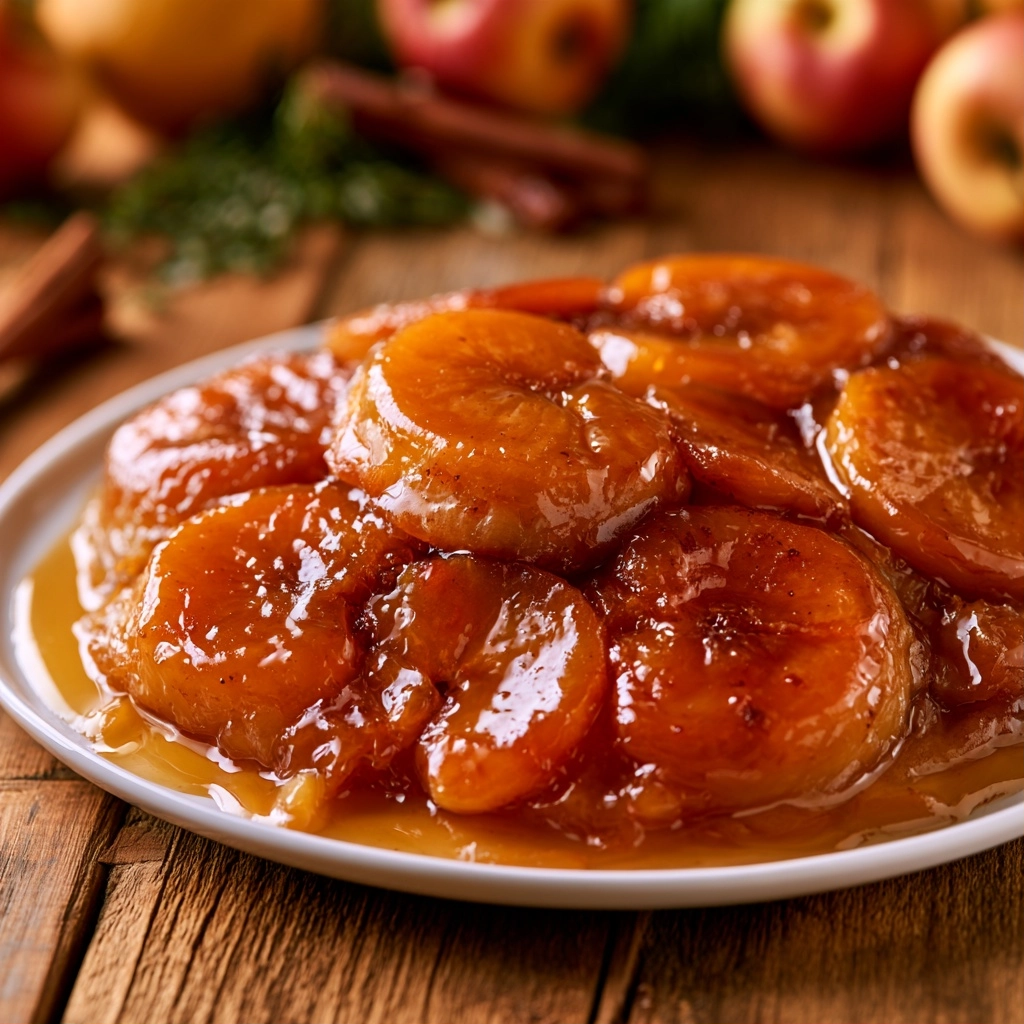
Classic Tarte Tatin
Ingredients
Method
- In a large bowl, combine flour, 20g sugar, and a pinch of salt.
- Rub in 125g of cold butter pieces into the flour mixture until it reaches a coarse, breadcrumb-like consistency.
- Gradually stir in 60ml of cold water until a dough forms, then shape into a disc, wrap, and refrigerate for 20 minutes.
- Peel, core, and quarter the apples, tossing them with lemon juice and cinnamon.
- In a 10-inch oven-safe skillet, melt the remaining butter and sugar over medium heat, stirring until it turns into a golden caramel.
- Arrange apple quarters tightly in the skillet, curved side down, over the caramel.
- Roll out the refrigerated dough to fit the skillet and place it over the apples, tucking in the edges.
- Bake in a preheated oven until the crust is golden brown.
- Carefully invert the tart onto a serving plate while still warm.
Notes
Ensure the water added to the dough is ice-cold to keep the butter from melting, which ensures a flaky crust.
Allow the tart to rest for 5 minutes before inverting to prevent the caramel from being too runny.