
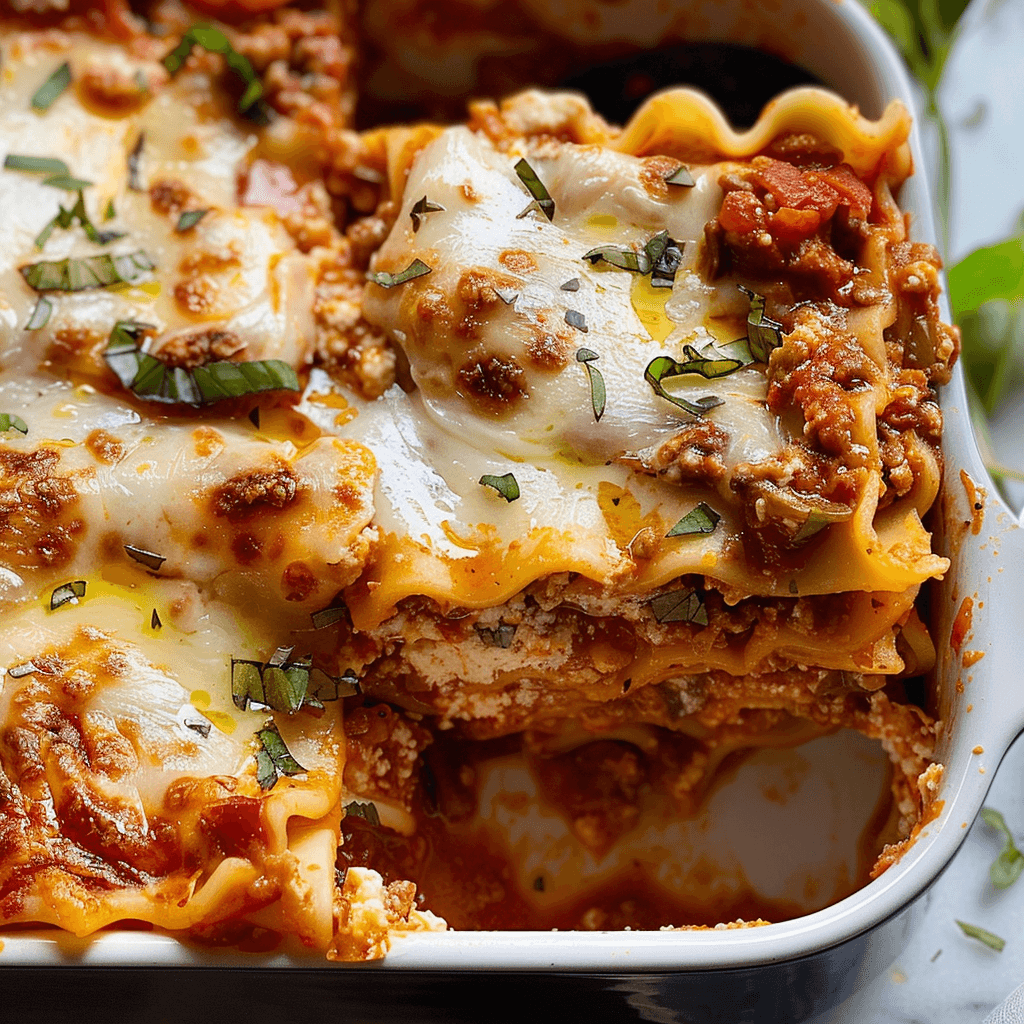
Last summer, I hosted a family reunion at my home in Tuscany. With 12 people to feed and a week of stormy weather, we stayed indoors and focused on a classic: lasagna. Everyone gathered to build the dish themselves, layering fresh homemade noodles with tomato sauce and ricotta. By the time the lasagna emerged from the oven, the room smelled like comfort itself. This is the magic of lasagna noodles—a humble yet iconic ingredient that brings people together. Perfectly cooked, they absorb sauces, hold shape, and anchor every bite of this beloved Italian classic.
| Prep Time | Cook Time | Total Time | Servings | Difficulty | Cuisine |
|---|---|---|---|---|---|
| 20 min | 30 min | 50 min | 8 | Moderate | Italian |
The Science of Successful Lasagna Noodles
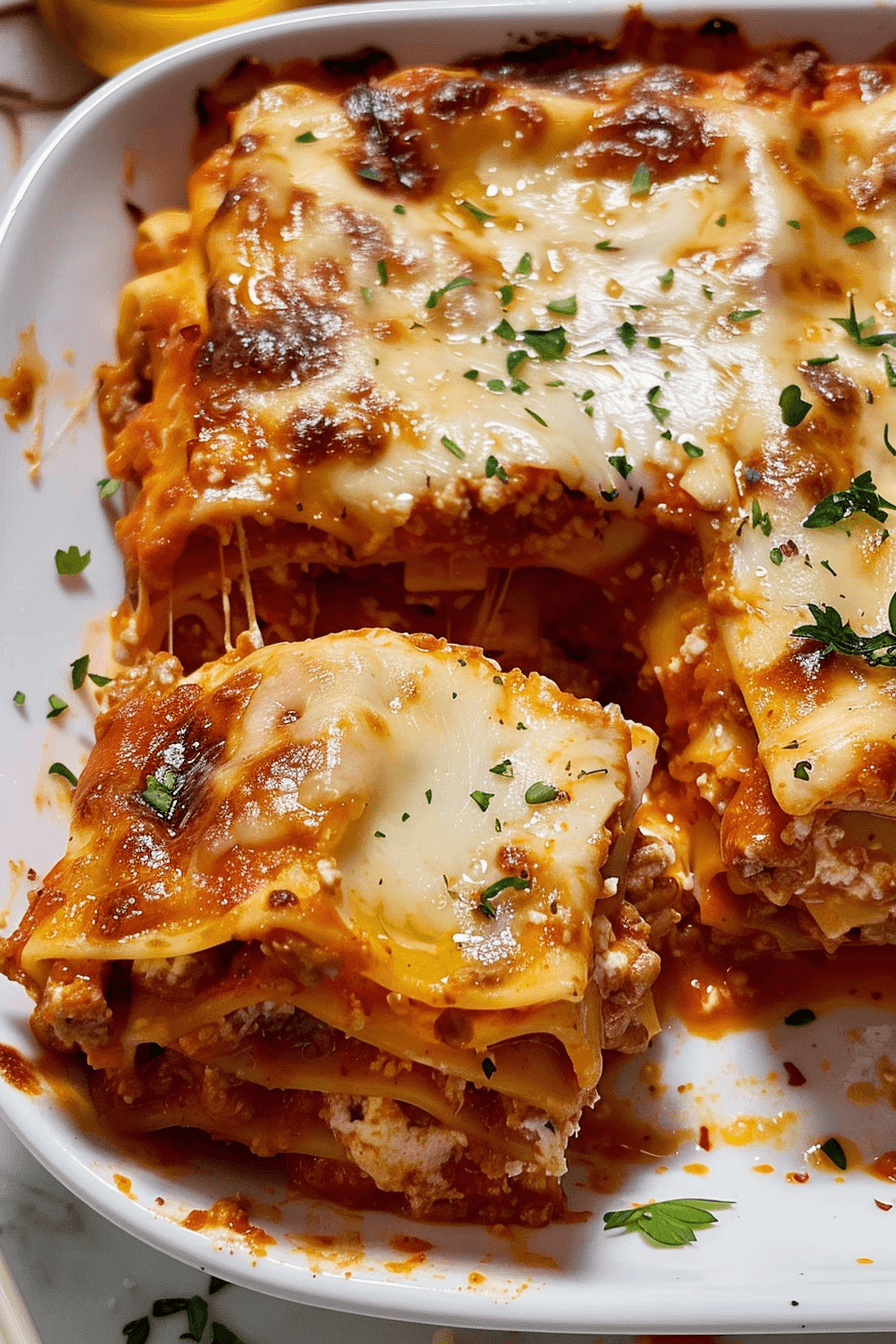
The secret to exceptional lasagna noodles lies in balance: a strong gluten structure for firmness, yet tender enough to absorb sauces. Over the years, I’ve refined my dough recipe to achieve this. By combining Tipo 00 flour’s fine texture with eggs, I create a silky sheet that resists crumbling during assembly. Even my kids, who typically prefer takeout, now beg for this homemade version because it tastes like a true trattoria dish.
When I tested alternatives like store-brand farina or overcooked noodles, the results were disastrous—crumbly textures or mushy sheets that fell apart while spreading sauce. My solution? Monitor boiling time carefully and use a pasta roller set to the narrowest setting. The result: noodles that hold their shape in the lasagna’s hot, saucy environment without becoming cardboard-soft.
Key Ingredients and Alternatives
| Ingredient | Quantity | Notes |
|---|---|---|
| Flour (Tipo 00 or AP) | 2 cups | Mix 1/4 cup semolina flour for firmer texture |
| Large Eggs | 3 | Use 2 for gluten-free versions to loosen dough |
| Olive Oil | 1 tsp optional | Replaces lard for halal-friendly preparation |
| Salt | 1/2 tsp optional | Enhances flavor without overpowering |
| Water | 2 tbsp optional | Add for ultra-soft texture in hot weather |
Step-by-Step Noodle Making
Mixing Phase
- Combine flour and salt in a large mixing bowl
- Using a fork, create a “well” shape in the center of the flour
- Crack eggs into the well and add optional liquids
- Gently mix eggs into dry ingredients until dough starts to form
Kneading Phase
- Dust work surface with additional flour
- Knead until dough is smooth (8–12 minutes) and passes the “windowpane” test
- Wrap in plastic and let rest at room temperature for 30 minutes
Cutting Phase
- Feed dough through pasta machine at widest setting
- Gradually reduce thickness until reaching 1/16-inch sheets
- Cut into 12-inch rectangles using a stainless steel ruler
Troubleshooting Techniques
- Prevent Sticking: Boil noodles singly, then toss with olive oil after draining
- Fix Tearing: Reroll dough after resting 30 minutes
- Reduce Stiffness: Add 1 egg yolk for supple texture
- Boost Flavor: Sprinkle with garlic powder before boiling
Common Errors and Fixes
- Mushy dough: Use room-temperature eggs for proper emulsification
- Stickiness after boiling: Increase olive oil by 1 tsp in recipe
- Overcooked texture: Check doneness at 1 minute and 30 seconds
- Collapsing layers: Always apply sauce thoroughly between layers
Alternative Methods
| Method | Instructions |
|---|---|
| Oven-Ready Noodles | Layer dry noodles directly over 1/2-inch hot water in pan |
| No-Boil Method | Soak dry noodles in boiling water for 30 minutes before assembly |
| Sheet Pan Technique | Stack noodles between parchment paper and bake at 350°F for 10 minutes |
Storage and Reheating
| Method | Duration | Instructions |
|---|---|---|
| Freezer | 3 months | Arrange cooked noodles in single layer on baking sheet before freezing |
| Refrigerator | 3 days | Store in airtight container with parchment paper between layers |
| Reheating | 1 hour | Boil noodles for 30 seconds or sauté in olive oil for crisp texture |
Frequently Asked Questions
Can I use gluten-free flour?
Yes, substitute 1/2 cup buckwheat flour and 1/2 cup rice flour. Add 1 tsp xanthan gum to enhance texture.
How do I tell when noodles are done?
The ideal noodles are al dente—resisting the knife slightly but showing no white center after 2 minutes of boiling.
My noodles are too sticky. Now what?
Transfer cooked noodles to a bowl with 1 tbsp olive oil and a pinch of salt. Toss gently until separated.
Can I make these ahead of time?
Shape and freeze dough balls for up to 3 months. Thaw completely before proceeding with rolling and cutting.
What temperature should I use for baking lasagna?
375°F (190°C) is ideal for even cooking without over-browning the cheese layer.
Whether you’re feeding a crowd at a party or preparing a weekly dinner, lasagna noodles offer a world of customization. From gooey mozzarella and herb-infused ricotta to roasted zucchini layers, the possibilities are endless. Start with this perfect base recipe and build your own signature creation. Like my Tuscany reunion, your dinner table will soon become a gathering place of nostalgia, laughter, and the satisfying chew of artisanal lasagna noodles. Buon appetito!
Print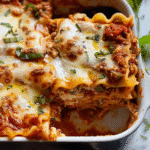
Lasagna Noodles: The Ultimate Guide to Perfect Layers
- Total Time: 50
- Yield: 8 servings 1x
- Diet: Vegetarian
Description
Learn to craft tender, sauce-absorbent homemade lasagna noodles infused with the soul of Italian cuisine. These layers bring warmth and flavor to any lasagna creation.
Ingredients
2 cups Tipo 00 or all-purpose flour
3 large eggs
1 tsp olive oil (optional)
1/2 tsp salt (optional)
2 tbsp water (optional)
1/4 cup semolina flour (optional, for firmer texture)
Instructions
Combine flour and salt in a mixing bowl
Create a well in the center and add eggs, olive oil, and water
Gently whisk eggs into the flour until dough forms
Turn dough onto a floured surface and knead for 8–12 minutes
Wrap dough in plastic and rest for 30 minutes
Roll dough into thin sheets using a pasta machine set to the narrowest setting
Cut sheets into lasagna noodle size
Notes
For gluten-free noodles, substitute 2 of the 3 eggs and reduce flour to 1.5 cups
Use a pasta roller for even thickness
Rest dough fully before rolling to prevent sticking
- Prep Time: 20
- Cook Time: 30
- Method: Boiling
- Cuisine: Italian
Nutrition
- Serving Size: 1 serving (12 noodles)
- Calories: 160
- Sugar: 0g
- Sodium: 160mg
- Fat: 3g
- Saturated Fat: 0.5g
- Carbohydrates: 24g
- Fiber: 0.5g
- Protein: 5g
- Cholesterol: 70mg