
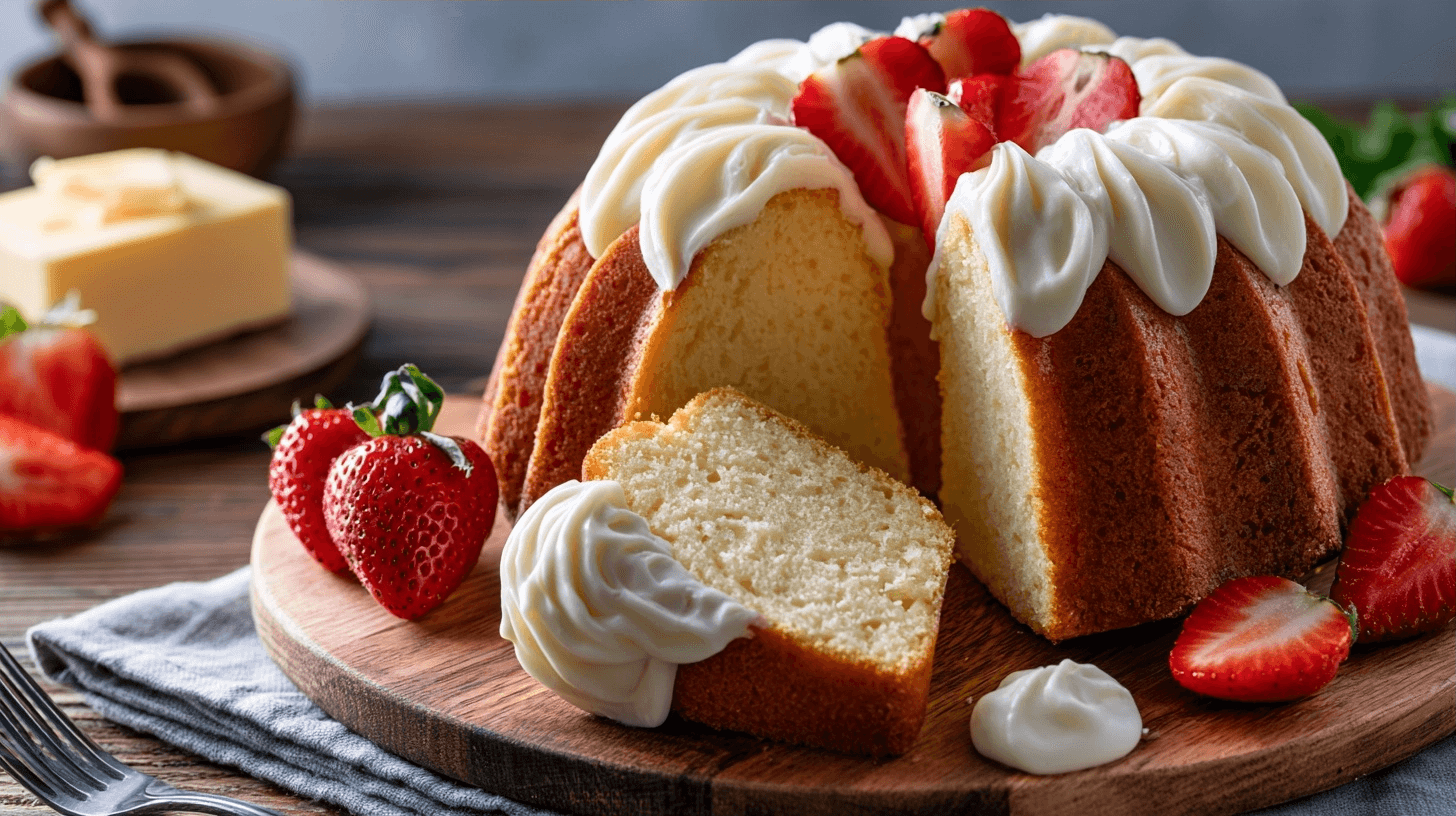
Are you looking for a dessert that combines rich flavor with a tender crumb? A cream cheese pound cake is a classic choice, offering a dense yet moist texture that is simply irresistible. This delightful cake gets its signature richness from a generous amount of cream cheese blended into the batter.
Traditional pound cake recipes often call for a pound each of butter, sugar, eggs, and flour. Our version elevates this classic by incorporating cream cheese, which adds a tangy depth and an incredibly soft crumb. We will guide you through creating this exceptional dessert, ensuring perfect results every time. You will learn how to properly cream together the butter and sugar, then incorporate the eggs and vanilla extract. We will discuss the best practices for folding in the cake flour or all-purpose flour to achieve that ideal texture. Finally, we will cover making a simple glaze with powdered sugar to finish your masterpiece.
Why You’ll Love This Cream Cheese Pound Cake Recipe
Do you want to know why this cream cheese pound cake recipe will become your new favorite? This recipe delivers an unbeatable combination of flavor and texture. It is incredibly easy to prepare, even for novice bakers. The use of cream cheese helps the cake stay moist and tender for days. You will appreciate the straightforward steps, from softening the butter and cream cheese to preparing your bundt pan. We will guide you through each stage.
Key Reasons to Love This Recipe
This recipe stands out for several compelling reasons. It produces a dessert that is both elegant and comforting. The simple ingredients combine to create something truly special.
| Feature | Benefit |
|---|---|
| Rich Flavor | Cream cheese adds a delightful tang and depth. |
| Moist Texture | Stays fresh and tender for an extended period. |
| Easy Preparation | Simple steps make it accessible for all skill levels. |
| Versatile | Perfect for any occasion, from casual to formal. |
You will learn to mix the dry ingredients, including baking powder and a pinch of salt. Then, you will add them to the wet ingredients. The process of creaming butter and sugar in a stand mixer ensures a light and airy batter. Baking in a preheated oven yields a perfect golden-brown crust and a thoroughly cooked interior.
Essential Ingredients for Your Perfect Pound Cake
Essential Ingredients for Your Perfect Pound Cake
What essential items do you need for a perfect cream cheese pound cake? Gathering your provisions before you begin ensures a smooth baking experience. High-quality items make a significant difference in the final taste and texture. Always use fresh, good-quality components for the best results. Make sure your dairy items are at room temperature. This helps them combine properly, creating a smooth, uniform batter.
| Ingredient | Quantity/Notes |
|---|---|
| Unsalted Butter | 1 cup (2 sticks), softened to room temperature |
| Cream Cheese | 8 ounces, softened to room temperature |
| Granulated Sugar | 2 cups |
| Large Eggs | 4, at room temperature |
| Vanilla Extract | 1 tablespoon, pure extract for best flavor |
| All-Purpose Flour | 2 cups, sifted |
| Baking Powder | 1 teaspoon |
| Salt | 1/4 teaspoon |
These provisions are crucial for achieving that signature dense yet moist crumb. Using items at the correct temperature promotes proper emulsification. This leads to a beautifully consistent dessert.
Cream Cheese Pound Cake Ingredients Explained
Cream Cheese Pound Cake Ingredients Explained
Do you want to understand the role of each component in your sweet loaf? Each item plays a vital part in creating the perfect texture and taste. Knowing their functions helps you bake with confidence and achieve consistent results. Let’s explore what each provision contributes to this delightful dessert.
| Component | Purpose in Cake |
|---|---|
| Unsalted Butter | Provides richness and contributes to a tender interior. It also adds flavor. |
| Cream Cheese | Adds moisture, tang, and density. It ensures a very moist cake. |
| Granulated Sugar | Sweetens the dessert and helps create a fine crumb structure. It also aids in browning. |
| Large Eggs | Act as a binder, provide structure, and add richness. They also contribute to leavening. |
| Vanilla Extract | Enhances the overall flavor profile. Use a good quality extract for the best taste. |
| Plain Flour | Forms the main structure of the cake. It provides body and substance. |
| Leavening Agent | Helps the cake rise, creating a lighter texture. It reacts with moisture and heat. |
| Pinch of Fine Grain | Balances the sweetness and enhances other flavors. It is a crucial flavor enhancer. |
These elements work together to produce a delectable dessert. The careful balance ensures a moist interior and a lovely golden crust. Understanding these roles improves your baking instincts.
Tips for Selecting the Best Ingredients
Do you want to know how to choose the optimal items for your cream cheese pound cake? Selecting superior components elevates your dessert from good to exceptional. High-quality provisions ensure a delightful flavor and perfect consistency. Always opt for fresh dairy items. Choose full-fat cream cheese for a rich, creamy texture. Use unsalted butter so you can control the seasoning.
| Ingredient Type | Selection Tip |
|---|---|
| Dairy Products | Choose full-fat versions; ensure freshness. |
| Sweetener | Use fine granulated sugar for even dispersion. |
| Eggs | Select large eggs; check for freshness. |
| Flavoring | Opt for pure extracts, not artificial ones. |
| Flour | Use bleached cake flour for a tender crumb. |
| Leavening | Verify the expiration date for effectiveness. |
Furthermore, ensure your flavoring agents are pure. Avoid artificial substitutes for the best taste. A good quality flour also creates a finer crumb structure.
Step-by-Step: How to Make Cream Cheese Pound Cake from Scratch
Step 1: Prepare your oven and pan. Preheat your oven to 325°F (160°C). Grease and lightly dust a 10-inch tube or Bundt pan with a little plain flour.
Step 2: Cream the dairy items. In a large mixing bowl, combine the room temperature cream cheese and unsalted butter. Beat them together until the mixture is light and fluffy.
Step 3: Gradually add the sweetener. Slowly incorporate the granulated sweetener into the creamed mixture. Continue beating until the combination is smooth and well-aerated.
Step 4: Incorporate the protein. Add the large protein sources one at a time, beating well after each addition. Ensure each one is fully blended before adding the next.
Step 5: Stir in the flavoring. Mix in the aromatic liquid until just combined. Do not overmix this component.
Step 6: Add the dry components. Gradually fold in the sifted plain flour and leavening agent. Mix only until no streaks of dry ingredients remain.
Step 7: Bake the dessert. Pour the mixture into the prepared pan. Bake for 60-75 minutes, or until a wooden skewer inserted into the center comes out clean.
Step 8: Cool and serve. Let the cake cool in the pan for 10-15 minutes. Then, invert it onto a wire rack to cool completely before slicing and serving.
Preparing Your Pan and Oven
Do you want to know how to properly prepare your pan and heating unit for a perfect cream cheese pound cake? Correct preparation prevents sticking and ensures even cooking. This step is crucial for a beautifully risen dessert. First, set your heating unit to 325°F (160°C). This allows it to reach the precise temperature needed. Use a 10-inch tube or Bundt pan for best results. Thoroughly grease the pan’s interior with shortening or butter. Then, lightly dust it with a little plain meal. This creates a non-stick layer. Tap out any excess meal. This preparation guarantees your delicious sweet rolls release easily after cooking.
Mixing the Batter for Optimal Texture
How can you achieve the best consistency for your cream cheese pound cake? Proper blending of ingredients is key for an optimal texture. It ensures a tender crumb and delightful eating experience. Begin by creaming the softened dairy items until light and fluffy. This incorporates air, making the dessert airy. Gradually add the granulated sweetener, beating until the mixture is smooth. This step dissolves the crystals, contributing to a fine crumb. Next, incorporate the large protein sources one at a time. Beat well after each addition to ensure full emulsification. Finally, gently fold in the sifted dry components. Be careful not to overwork the mixture. Over-blending can lead to a dense or tough consistency.
Baking and Cooling Your Pound Cake
How do you properly cook and cool your delightful dessert? Achieving the perfect golden brown crust and tender interior requires careful attention. This process ensures your treat develops its full flavor. Pour the prepared mixture into your greased and dusted pan. Place it on the middle rack of the preheated heating unit. Allow it to cook for 60 to 75 minutes. A wooden skewer inserted into the center should come out clean. This indicates it is fully cooked. Once done, remove the pan from the heating unit. Let the baked good rest in its container for 10 to 15 minutes. This allows it to firm up slightly. Then, carefully invert it onto a wire rack. This promotes even cooling and prevents sogginess. Ensure it cools completely before slicing.
Common Pound Cake Disasters and How to Avoid Them
What are the common problems encountered when preparing this delightful sweet loaf, and how can you prevent them? Many home cooks face specific challenges. However, understanding these issues helps you achieve a perfect result every time.
Step 1: Prevent a dry crumb. Overcooking is a primary culprit for a crumbly texture. Monitor cooking times closely.
Step 2: Avoid a sunken center. Opening the heating unit door too early can cause this issue. Keep the door closed until the final 10-15 minutes of cooking.
Step 3: Address uneven rising. Ensure all ingredients are at room temperature. Cold ingredients can hinder proper emulsification and rise.
Step 4: Resolve sticking to the pan. Always prepare your pan meticulously. Grease and dust it thoroughly with a little meal.
Step 5: Tackle a tough texture. Over-blending the dry components into the wet mixture develops too much gluten. Blend only until just combined.
Ensuring a Moist and Tender Crumb
Why is a soft and delicate texture so important for your creation? A superior crumb elevates the entire experience of enjoying this sweet treat. It makes each slice truly delightful. The right proportions of liquid and dry components are crucial. Too much dry material can lead to a parched result. Insufficient liquid creates a heavy, less enjoyable pastry. Furthermore, do not overwork the preparation. Gentle handling prevents the development of excess gluten. This ensures a delicate structure. Consider adding a touch of dairy product like sour cream or buttermilk. These ingredients introduce additional fat and acidity. Consequently, they contribute significantly to a tender and flavorful final product. Their inclusion helps maintain internal hydration during cooking.
Preventing Cracks and Sinking
How can you prevent unsightly cracks and a sunken center in your dessert? Several factors contribute to these common issues. Understanding them helps you achieve a beautifully smooth top. Rapid temperature changes are a primary cause of cracking. Avoid opening the heating unit door too frequently. This maintains a consistent internal environment. Furthermore, ensure your pastry cools gradually. Quick cooling can also cause surface fissures. Over-aerating the ingredients can introduce too much air. This creates a structure that might collapse as it cools. Consequently, your confection could sink in the middle. Blend only until the components are just combined. Use gentle folding techniques. A properly prepared pan also plays a role. Grease and dust it evenly. This allows the preparation to rise uniformly. An uneven release can stress the structure.
Serving Suggestions and Pairings
What are the best ways to serve your delightful dessert and what complements it well? This rich confection offers many versatile serving options. It pairs beautifully with various accompaniments. Consider serving slices plain for a simple, elegant presentation. The inherent richness of the sweet loaf shines through. You can also dust it lightly with confectioners’ sweetener. This adds a touch of visual appeal. For a more elaborate experience, offer fresh berries. Strawberries, raspberries, or blueberries provide a lovely contrast. A dollop of whipped topping or a scoop of frozen dairy dessert also works wonderfully. Furthermore, a drizzle of fruit coulis or chocolate sauce enhances the flavor. These additions elevate the treat. Consider serving it alongside a warm beverage. Coffee or tea makes an excellent pairing. A glass of chilled milk is also a classic choice.
Storage Tips for Freshness
How do you keep your delicious confection fresh for as long as possible? Proper storage is essential to maintain its delightful taste and texture. Follow these guidelines for optimal preservation. Allow the sweet loaf to cool completely before storing it. Warm pastry creates condensation. This can lead to sogginess. Wrap the cooled item tightly in plastic film. You can also use aluminum foil. This prevents air exposure. Air causes drying and staleness. Store the wrapped product at cool temperatures. It will remain fresh for several days. For longer storage, consider freezing. Wrap individual slices or the entire confection. Use an additional layer of foil for protection. Frozen slices can last for several weeks. Thaw them at cool temperatures before serving.
Frequently Asked Questions About Cream Cheese Pound Cake
How do you make cream cheese pound cake from scratch?
You begin by creaming together the softened cream cheese and granulated sweetener. Incorporate the large whole spheres one at a time. Gradually add the dry components to the wet ingredients. Pour the creation into your prepared tube tin and cook until a wooden skewer comes out clean.
What is the difference between pound cake and cream cheese pound cake?
Traditional pound cakes typically use equal quantities of four main components. A cream cheese variety includes a block of the soft dairy product. This addition contributes to a richer crumb and a slightly tangy flavor. Consequently, it often yields a more tender final product.
Can you freeze cream cheese pound cake?
Yes, you can certainly freeze this delightful dessert. Allow the confection to cool completely first. Wrap it tightly in plastic film, then cover it with aluminum foil. It will maintain its quality in the freezer for up to three months.
Why is my cream cheese pound cake dry?
A dry cake often results from overcooking or incorrect ingredient measurement. Ensure you measure your dry components accurately. Furthermore, avoid leaving the confection in the heat source longer than necessary. An internal probe thermometer should read 200-205°F for optimal doneness.
What is the best way to serve cream cheese pound cake?
This dessert is delicious served plain, allowing its rich flavor to shine. You can also offer it with a dusting of confectioners’ sweetener. Fresh berries or a light fruit compote make excellent accompaniments. A dollop of whipped topping also complements its texture beautifully.

Cream Cheese Pound Cake: A Classic Dessert Elevated
Description
Discover how to bake a rich, moist, and tender cream cheese pound cake from scratch. This recipe elevates a classic with a delightful tang and soft crumb.
Ingredients
1 cup (2 sticks) unsalted butter, softened to room temperature
8 ounces cream cheese, softened to room temperature
2 cups granulated sugar
4 large eggs, at room temperature
1 tablespoon vanilla extract, pure extract for best flavor
2 cups all-purpose flour, sifted
1 teaspoon baking powder
1/4 teaspoon salt
Instructions
Prepare your oven and pan. Preheat your oven to 325°F (160°C). Grease and lightly dust a 10-inch tube or Bundt pan with a little plain flour.
Cream the dairy items. In a large mixing bowl, combine the room temperature cream cheese and unsalted butter. Beat them together until the mixture is light and fluffy.
Gradually add the sweetener. Slowly incorporate the granulated sweetener into the creamed mixture. Continue beating until the combination is smooth and well-aerated.
Incorporate the protein. Add the large protein sources one at a time, beating well after each addition. Ensure each one is fully blended before adding the next.
Stir in the flavoring. Mix in the aromatic liquid until just combined.