
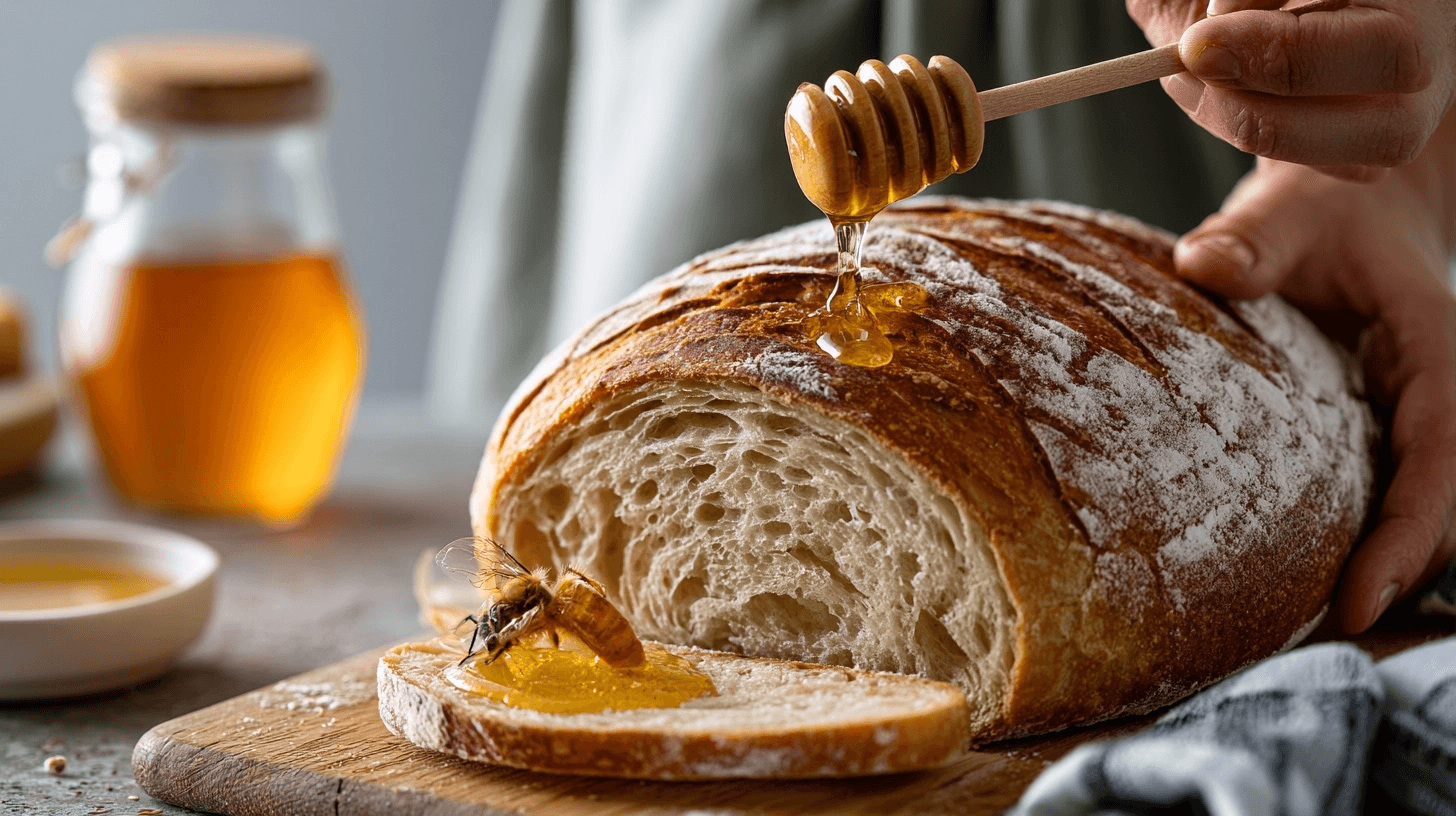
Are you curious about the best honey to use for your next batch of bread? Baking with honey offers a wonderful way to add natural sweetness and moisture to your creations. Understanding the nuances of different varieties can significantly elevate your results. We explore various types of honey and their suitability for bread making.
Many home bakers wonder which types of honey will yield the most delicious and perfectly textured honey bread. This guide will help you navigate the options. You will learn about how different flavors and consistencies impact your final product. We will also discuss the benefits of using this natural sweetener.
When selecting honey for baking, several factors come into play. The flavor profile, moisture content, and even the acidity of the honey can influence your recipe. For instance, some varieties pair better with specific flours or leavening agents like baking soda. Choosing the right one ensures a balanced taste and ideal texture.
We will delve into popular types of honey, including clover honey, known for its mild flavor. We will also examine the robust notes of buckwheat honey. You might even consider raw honey for its unfiltered qualities. This comprehensive overview helps you make an informed decision for your next baking adventure. Remember to store honey properly to maintain its quality.
Understanding Honey’s Role in Bread Baking
Honey plays several crucial roles in bread baking. It acts as a natural sweetener and moisture-retaining agent. This natural product is also sweeter than sugar, so you often need less of it. Bakers should reduce liquid by about one-quarter cup for every cup of this sweet ingredient used. This golden syrup also influences the texture and color of your baked goods. Its natural sugars contribute to caramelization, giving the crust a beautiful golden-brown hue. Furthermore, honey aids in the activation of the fermenting agent, helping the bread rise effectively. Different varieties offer distinct flavor profiles for your recipes. For example, a darker honey like buckwheat provides a robust, earthy taste. In contrast, orange blossom honey imparts a delicate, floral note. Wildflower honey offers a balanced, all-purpose sweetness. Even manuka honey can be used as a sugar substitute, though its strong flavor might overpower some delicate loaves. Adjusting your oven temperature slightly can prevent over-browning due to honey’s sugar content.
Key Characteristics of Honey for Bread
What characteristics of honey are best for baking bread? The best honey for baking bread possesses specific qualities. Its flavor profile should complement the other ingredients. A mild, neutral flavor often works best for everyday loaves. However, bolder flavors can enhance specialty breads. Consider the consistency of the ingredient. Thicker, more viscous honey can be harder to mix evenly. A runnier consistency integrates more smoothly into the dough. This ensures consistent moisture distribution throughout the mixture. The sugar content is also important. Higher sugar levels contribute to browning and moisture retention. This also impacts the activity of the fermenting agent. Furthermore, some varieties offer additional health benefits. These nutritional compounds can subtly enrich your baked goods.
Top Honey Varieties for Baking Bread
Top Honey Varieties for Baking Bread
What kind of honey is best for baking bread? Several varieties excel in bread recipes, each offering unique benefits. Clover honey is a popular choice due to its mild, sweet flavor. It does not overpower other ingredients. This makes it versatile for many different loaves. Alfalfa honey also has a delicate taste. It is light in color and pairs well with white and whole wheat flour. Wildflower honey offers a more complex, yet balanced, flavor. Its notes can vary based on the floral sources. Buckwheat honey provides a strong, earthy, and sometimes malty taste. It is ideal for darker, heartier breads like rye or pumpernickel. This darker sweetener can also give the crust a richer hue. It also provides nutrients for the fermenting agent. Acacia honey is very light and remains liquid for a long time. This makes it easy to incorporate into pastry mixtures. Tupelo honey offers a buttery taste and slow crystallization. It is a premium option for exceptionally flavorful loaves.
Clover Honey: The All-Rounder
Is clover honey an all-rounder for baking bread? Yes, it is widely considered one of the most versatile choices for many recipes. This popular sweetener has a gentle, sweet character. It does not dominate the overall taste of your baked goods.
Its light color means it won’t drastically alter the appearance of lighter loaves. The mild profile allows other ingredients to shine. This makes it suitable for both sweet and savory breads. It also provides nourishment for the yeast, promoting a good rise.
You can easily find this golden ingredient in most grocery stores. It is a reliable option for both novice and experienced bakers. Consider it your go-to for consistent and delicious results.
Orange Blossom Honey: Aromatic Sweetness
Orange Blossom Honey: Aromatic Sweetness
Does orange blossom honey offer aromatic sweetness for bread? Yes, this particular nectar variety is known for its distinct citrus notes. It imparts a delicate, fragrant quality to baked goods. This makes it an excellent choice for specialty loaves. Its subtle citrus aroma complements fruit breads beautifully. It also pairs well with pastries containing nuts or spices. This golden liquid adds a unique dimension to your baking. It enhances the overall sensory experience. The gentle sweetness does not overpower other components. Instead, it adds a bright, uplifting characteristic. Consider using it in brioche or sweet rolls. It will elevate your creations to a new level.
Buckwheat Honey: Bold and Robust
Buckwheat Honey: Bold and Robust
What kind of honey is best for baking bread for bold qualities? This dark, distinctive ingredient offers a strong, earthy taste. It also provides a malty undertone. This makes it perfect for heartier loaves. It is particularly well-suited for whole grain breads. Think of rye or pumpernickel varieties. This rich sweetener also contributes to a deeper crust color. It nourishes the fermenting agent, too. Its robust character stands up to strong ingredients. It complements nuts, seeds, and dark flours. Consider using it when you desire a pronounced, rich profile. It adds complexity to your baked creations.
Honey to Use with Caution (or Avoid) in Bread
What kinds of sweeteners should you use with caution or avoid in bread? Some varieties, while delicious on their own, might not be the best choice for baking bread. Raw, unfiltered options can contain impurities. These impurities might affect the texture or rise of your loaf. Certain highly crystallized kinds can also be difficult to work with. They require extra heating to liquefy. This can be inconvenient when precise measurements are needed. Extremely delicate or very strongly flavored nectars might also be problematic. They can either disappear in the baking process or overpower other components. For instance, some exotic, expensive options may not offer a proportional benefit in a baked item. Their unique characteristics might be lost. Focus on options that provide consistent results. This ensures a successful bake.
Tips for Baking Bread with Honey
Tips for Baking Bread with Honey
What are some good tips for baking bread with honey? Adjusting your bread making approach slightly can lead to better results. Remember that this golden liquid is sweeter than sugar. Therefore, you will need to use less of it. It also contains liquid. Reduce other liquids in your formula slightly. This prevents your dough from becoming too wet. A general guideline is to reduce other liquids by about one-quarter cup for every cup of sweetener used. This natural sweetener helps keep your baked goods soft. It also extends their shelf life. However, it can also cause faster browning. Reduce your oven temperature by 25°F (about 14°C). Watch your loaf closely during the final baking stage. Consider its unique characteristics when selecting a variety. A lighter, milder option works well in delicate pastries. A more robust one complements hearty whole grain loaves. Experiment to discover your favorite pairings.
Adjusting Liquid Content
How do you adjust liquid content when baking with this ingredient? This golden ingredient adds liquid to your dough. You must account for this extra fluid. Otherwise, your dough may become too slack. Reduce the amount of other liquids in your formula. A good rule of thumb is to decrease other fluids by about 20% for every portion of honey utilized. This helps maintain the proper dough consistency. This adjustment prevents overly wet dough. It ensures a well-structured final product.
Managing Browning
Managing Browning
How do you manage browning when baking with this ingredient? This rich liquid can cause your bread to brown quickly. Its sugar content caramelizes faster than other ingredients. This can lead to a darker crust before the interior cooks fully. To prevent over-browning, lower your baking heat. Reduce the heat by 25 degrees Fahrenheit (about 14 degrees Celsius). This allows for a more even bake. You can also tent your loaf with aluminum foil. Do this during the last third of baking. This shields the crust from direct heat. It allows the interior to finish baking.
Honey Storage Best Practices
How should you store honey for optimal quality? Proper storage ensures your honey maintains its quality and prevents spoilage. Keep it in an airtight container. This protects it from absorbing external odors. Store it at room temperature. A cool, dark pantry is ideal. Avoid refrigeration, as this can cause crystallization. Crystallization is a natural process. However, it can make the substance harder to use. If crystallization occurs, gently warm the container. Place it in a bowl of warm water. This will return it to its liquid state.
Recipes Featuring Honey in Bread
What are some bread products that incorporate this golden liquid? Many delightful bread creations benefit from the unique qualities of this ingredient. It adds a subtle sweetness and improves the crumb. Consider trying a classic whole wheat loaf. This liquid complements the nutty notes of whole grains. Another excellent option is a soft milk bread. The ingredient contributes to its tender texture. It also enhances its golden crust. Enriched doughs, like brioche, also welcome this addition. It provides a distinct richness. This substance helps achieve a beautiful rise. It also promotes a pleasing aroma. For a rustic choice, explore artisan hearth loaves. A touch of this liquid can balance their robust characteristics. It adds depth to the overall taste profile. Experiment with different bread styles.
| Bread Type | Key Characteristics |
|---|---|
| Whole Wheat Loaf | Hearty texture, nutty notes, enhanced by the ingredient’s sweetness. |
| Soft Milk Bread | Tender crumb, golden crust, benefits from added richness. |
| Brioche | Enriched dough, distinct richness, improved rise and aroma. |
| Artisan Hearth Loaf | Rustic, robust characteristics, balanced by a hint of sweetness. |
FAQ About Honey and Bread Baking
Which type of honey is best for baking bread?
Lighter varieties generally work well for bread making. Their delicate profiles complement the grain without overpowering it. Consider milder options for a balanced result in your loaves.
Does honey affect bread texture?
Yes, it significantly impacts the crumb. It helps create a softer crumb and a more tender crust. This is due to its hygroscopic properties, which attract and retain water.
Can I substitute sugar for honey in bread?
You can substitute it, but adjustments are necessary. Use about half the amount of granulated sugar as the liquid sweetener. You may also need to add a little extra liquid to the formula.
What is the best honey for sourdough bread?
A mild, light-colored honey is often preferred for sourdough. It provides a subtle sweetness that enhances the tang of the starter. This ensures the distinct sourness remains prominent.
How does honey contribute to the shelf life of bread?
It extends the freshness of your bread. Its humectant qualities help keep the bread from drying out quickly. This allows your homemade loaves to stay soft for a longer period.
Classic Honey Wheat Bread
- Total Time: 55 minutes
- Yield: 1 loaf 1x
Description
A delicious and moist honey wheat bread, perfect for sandwiches or toast. This recipe incorporates the principles discussed in the article for using honey in bread baking, ensuring a balanced flavor and texture.
Ingredients
1 cup warm water (105-115°F)
2 ¼ teaspoons active dry yeast (1 packet)
¼ cup clover honey (or other mild honey)
2 tablespoons olive oil or melted butter
1 teaspoon salt
2 cups whole wheat flour
1 to 1 ½ cups all-purpose flour (plus more for dusting)
Instructions
In a large bowl, combine the warm water, yeast, and honey. Stir gently and let it sit for 5-10 minutes, until foamy.
Add the olive oil (or melted butter) and salt to the yeast mixture. Stir to combine.
Gradually add the whole wheat flour, mixing until a shaggy dough forms.
Begin adding the all-purpose flour, ½ cup at a time, mixing until the dough comes together and is no longer sticky. You may not need all of the all-purpose flour.
Turn the dough out onto a lightly floured surface and knead for 8-10 minutes, until smooth and elastic.
Lightly grease a clean bowl with olive oil. Place the dough in the bowl, turning once to coat. Cover the bowl with plastic wrap or a clean kitchen towel and let it rise in a warm place for 1-1.5 hours, or until doubled in size.
Punch down the risen dough to release the air. Turn it out onto a lightly floured surface and shape it into a loaf. Place the loaf into a greased 9×5 inch loaf pan.
Cover the loaf pan with plastic wrap or a clean kitchen towel and let it rise again for 30-45 minutes, or until nearly doubled in size.
Preheat your oven to 375°F (190°C). (Note: The article suggests reducing oven temperature by 25°F when using honey, so we’ll adjust this to 350°F for baking).
Bake the bread at 350°F (175°C) for 30-35 minutes, or until the crust is golden brown and the internal temperature reaches 200-210°F (93-99°C). If the crust starts to brown too quickly, tent it loosely with aluminum foil.
Remove the bread from the oven and immediately transfer it to a wire rack to cool completely before slicing.
- Prep Time: 20
- Cook Time: 35