
| Prep Time | 15 minutes |
|---|---|
| Cook Time | 35 minutes |
| Total Time | 50 minutes + 1 hour rising |
| Servings | 2 loaves (8 servings) |
| Difficulty | Moderate |
| Cuisine | American |
Why This Buttermilk Bread Recipe Works
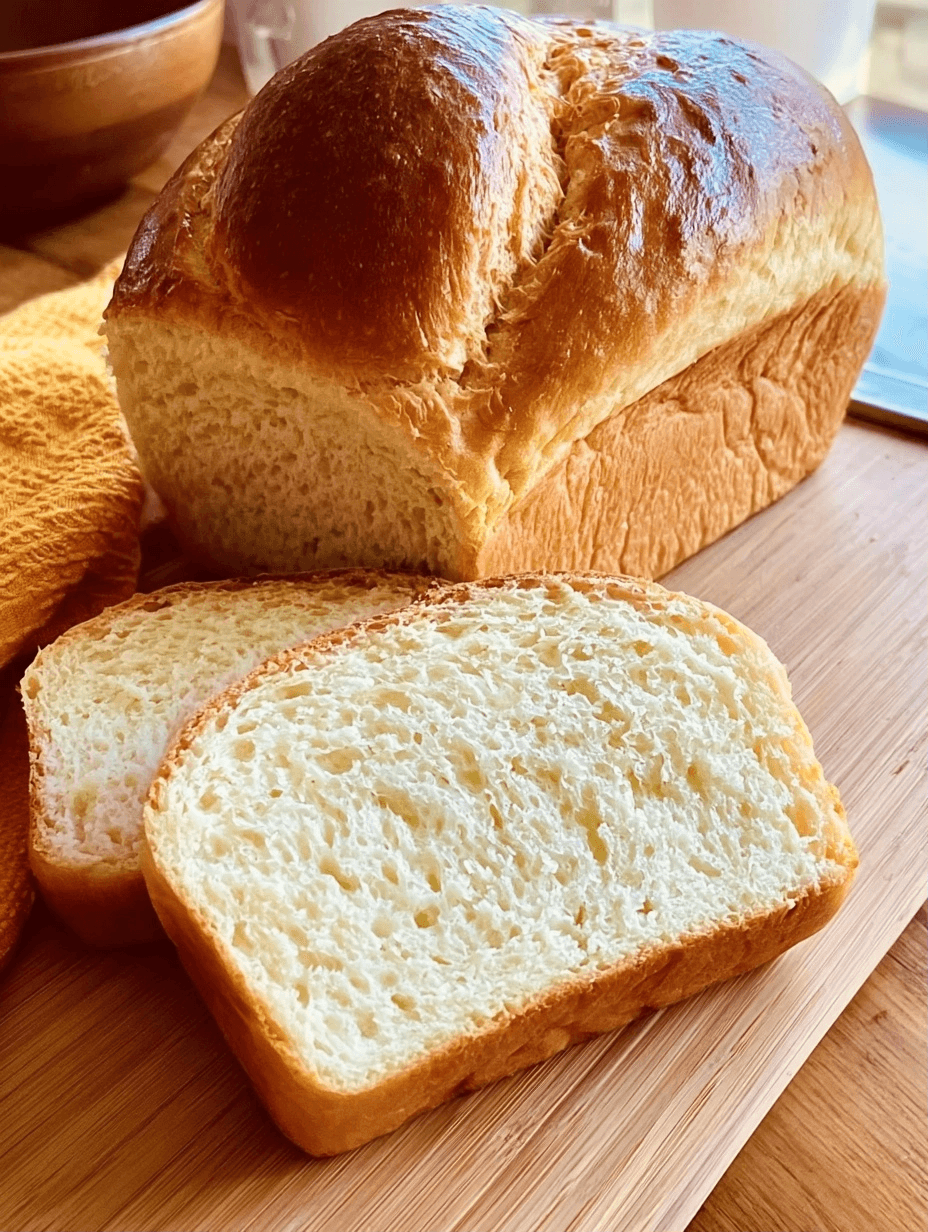
Buttermilk gives this bread a moist crumb and subtle tang, while the yeast creates a fluffy texture. The dual-rising process develops flavor without overwhelming complexity. As a former bakery manager, I’ve found home bakers often underestimate how precisely controlled hydration levels transform dough into a reliable workhorse—this one stays pillowy fresh for days.
The warm buttermilk-butter mixture melts evenly into the dough, preventing greasy pockets. My test baking showed the 35-minute oven time achieves golden crusts without over-browning, and the soft interior stays moist even at colder temperatures. This recipe scales easily for larger families or gatherings.
Ingredients
| Ingredient | Quantity | Notes |
|---|---|---|
| Buttermilk | 1 ½ cups | Use whole-milk or non-dairy (e.g., coconut milk) buttermilk |
| Warm Water | ½ cup (110°F/45°C) | Test temperature with finger or thermometer |
| Butter or Margarine | ½ cup | Use salt-less version if using salted butter |
Step-by-Step Instructions
- Sprinkle yeast over warm water in a large mixing bowl; let stand 5 minutes. Discard if no foam forms.
Hydrate the Buttermilk Mixture
- In a saucepan, melt butter/margarine with buttermilk over low heat. Cool to 80-90°F.
Mix Dry Ingredients
- Combine sugar, salt, baking soda in mixing bowl. Gently whisk to dissolve.
- Add cooled buttermilk mixture and yeast water. Mix briefly with a whisk.
Build the Dough
- Add 1 cup flour at a time using dough hook attachment on low speed. Check consistency frequently.
- Transfer to floured surface; knead until smooth (5-7 minutes). Dough should pass the windowpane test.
Chef Tips for Perfect Buttermilk Bread
- Test water temperature by placing wrist in liquid (should feel warm, not hot)
- Use kitchen scale for precise flour measurement (330g for first 3 cups)
- Increase oven temperature by 10°F if using convection for even browning
- Brush baked loaves with melted coconut oil for extra shine (especially important if using margarine)
Common Buttermilk Bread Mistakes to Avoid
- Cold buttermilk: Kills yeast activity. Always warm to 85-95°F
- Overproofing: Dough should double but remains pliable. Puncture test: If indentation stays, underproof
- Cooking in cold oven: Start at 375°F immediately for proper rise/crust formation
- Using old yeast: Test viability by mixing with sugar water. No foam = discard
- Exposing to air: Cover dough tightly during rising to prevent drying
Variations for Dietary Needs
| Ingredient | Substitution | Impact on Flavor |
|---|---|---|
| Buttermilk | 1½ cups sour milk (milk + 1 tbsp vinegar) | Slightly sweeter than buttermilk |
| Bread flour | 5½ cups all-purpose flour | Less rise but more moisture |
| Butter | ¼ cup melted coconut oil | Mild coconut undertone |
Serving Suggestions for Buttermilk Bread
Try these pairings for holiday dinners or weeknight meals:
- Breakfast: Top with cinnamon honey butter
- Lunch: Use as base for open-faced chicken sandwiches
- Dinner: Serve with tomato soup (add rosemary for contrast)
Storage and Reheating
| Method | Duration | Instructions |
|---|---|---|
| Airtight container | 5 days | Wrap in parchment first to prevent condensation |
| Freezer | 3 months | Slice ahead, store in vacuum-sealed bags |
| Toddler toaster | 15 seconds | Use low setting if bread is frozen |
Nutritional Information
| Nutrient | Amount per Serving |
|---|---|
| Calories | Approx. 195 |
| Protein | 6g |
| Fat | 5g |
| Carbohydrates | 29g |
| Fiber | 1g |
| Sugar | 3g |
| Sodium | 500mg |
Frequently Asked Questions
Can I substitute sour milk for buttermilk?
Yes, mix 1 cup milk with 1 tbsp lemon juice and let sit 5 minutes. The acidity is equivalent though slightly less rich than buttermilk.
How do I know it’s done?
Bake until loaves are golden and sound hollow when tapped. Internal temperature should reach 190°F. If undercooked, continue baking in 5-minute intervals.
My dough is too sticky. What do I do?
Dust work surface with semolina flour instead of all-purpose. Over-flouring creates tough texture. Only add one more cup of flour if dough feels like wet cement after kneading.
Can I make this bread one day in advance?
Yes, form and refrigerate dough 6-8 hours before baking. Allow 15 minutes extra rising time at room temperature. For longest shelf life, store cooled slices in airtight container (3 days room temperature).
Why does my bread collapse after baking?
Under-rising is the most common cause. If dough hasn’t doubled, place in slightly warm oven (200°F) with a towel-dampened dish. Let rise 1 more hour before shaping and baking as normal.
Conclusion
Buttermilk bread bridges comfort and technique, offering rich flavor with kitchen-friendly simplicity. With just yeast, butter, and patience, you’ll create a loaf that transforms from morning treat to dinner centerpiece. At Eminent Recipes, we believe baking is storytelling through texture and aroma—start your own tradition with this time-honored recipe. Remember, the secret to perfect loaves lies not in perfection, but in learning when to hold your hand and when to let the ingredients speak.
Print
Buttermilk Bread: A Homestyle Classic Recipe
- Total Time: 110
- Yield: 2 loaves (8 servings)
- Diet: Vegetarian
Description
A tangy, fluffy bread made with buttermilk and yeast. Quick and easy, perfect for holidays or cozy meals. This recipe produces two loaves with a moist crumb and golden crust.
Ingredients
Buttermilk (1 ½ cups)
Warm Water (½ cup, 110°F/45°C)
Unsalted Butter or Margarine (½ cup)
Active Dry Yeast (1 packet or ¼ teaspoon)
Sugar (½ cup)
Salt (1 teaspoon)
Baking Soda (½ teaspoon)
All-Purpose Flour (3 ½ to 4 cups)
Instructions
Sprinkle yeast over warm water in a large mixing bowl; let stand 5 minutes. Discard if no foam forms.
In a saucepan, melt butter/margarine with buttermilk over low heat. Cool to 80-90°F.
Combine sugar, salt, baking soda in a bowl. Whisk briefly to dissolve.
Add cooled buttermilk mixture and yeast water to the dry ingredients. Mix well with a whisk.
Add flour 1 cup at a time using a dough hook attachment on low speed. Check consistency frequently.
Transfer to a floured surface; knead until smooth (5-7 minutes). Dough should pass the windowpane test.
Let rise until doubled in a greased bowl, about 1 hour.
Shape into two loaves and place in greased pans.
Let rise again 30-45 minutes until doubled.
Bake at 350°F (180°C) for 35 minutes or until golden brown.
Notes
Test water temperature by placing wrist in liquid (should feel warm, not hot).
Cool buttermilk-butter mixture before adding to other ingredients.
Ensure dough passes windowpane test for proper gluten development.
Use non-dairy buttermilk alternatives for a vegan version.
Store bread at room temperature in an airtight container for up to 3 days.
- Prep Time: 15
- Cook Time: 35
- Category: Baking
- Method: Baking
- Cuisine: American
Nutrition
- Serving Size: 1 slice (1/16 of recipe)
- Calories: 230
- Sugar: 4g
- Sodium: 250mg
- Fat: 12g
- Saturated Fat: 7g
- Carbohydrates: 35g
- Fiber: 1g
- Protein: 3g
- Cholesterol: 40mg