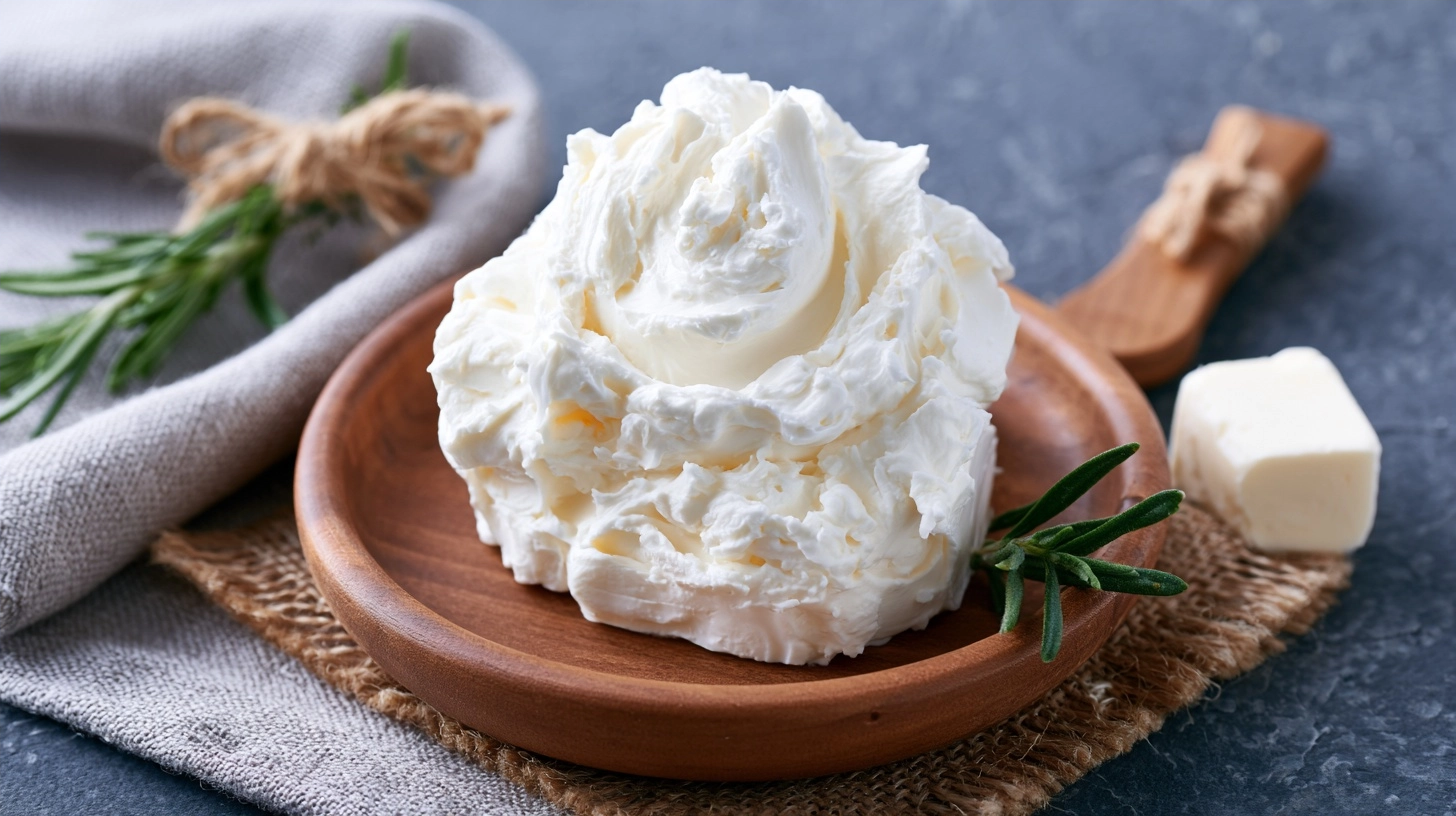
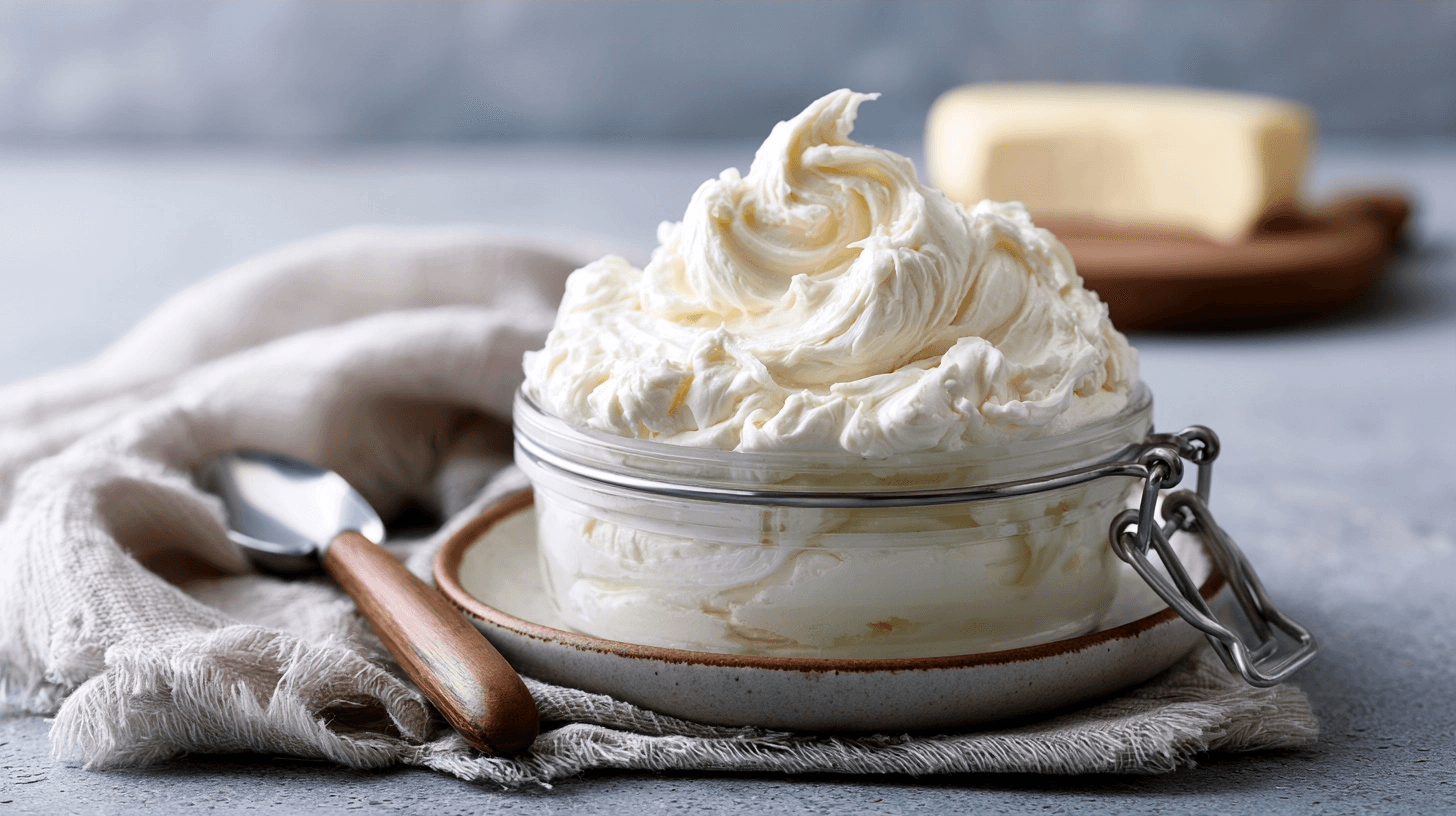
Have you ever found a great deal on cream cheese, only to wonder if you can store it for later? Many home cooks ask, “Can you freeze cream cheese?” The simple answer is yes, you can freeze cream cheese. However, understanding the proper techniques is crucial to maintain its quality.Freezing this dairy product can change its texture. This change is important to consider before you freeze cream cheese. We will explore the best methods for freezing and thawing, ensuring your culinary creations remain delicious. This guide will help you preserve your cream cheese effectively.When you freeze cream cheese, its high fat content plays a significant role in how it holds up. The water content can separate, leading to a grainy or crumbly consistency once thawed. This altered texture might not be ideal for every use, especially if you plan to use it as a spread or in delicate recipes.Despite these changes, frozen cream cheese is perfectly suitable for many baked goods. It works well in dishes like cheesecake or dips where the texture is less critical. Proper storage in an airtight container is key to preventing freezer burn and preserving flavor. Let’s delve into the best practices for freezing and thawing.
Can You Freeze Cream Cheese? The Short Answer
Yes, you can freeze block cream cheese. However, freezing dairy products like this alters their texture. This change happens because of ice crystals forming within the product. The thawed product may not be as smooth as fresh cream cheese. It might become crumbly or grainy. This is generally acceptable for cooking applications. It works well in baked goods like cheesecakes or casseroles. Do not use it as a spread for your bagel after freezing. The texture will be too different. Freezing extends the shelf life significantly. Always check the expiration date before freezing an unopened package. Freezing helps reduce food waste. Thaw it slowly in the refrigerator. Avoid using a microwave for thawing.
What Happens to Cream Cheese Texture When It Freezes?
When cream cheese freezes, what happens to its texture? The water content in the product expands, forming ice crystals. These crystals disrupt the emulsion that gives fresh cream cheese its smooth consistency. Consequently, the texture becomes noticeably different. It often turns grainy or crumbly after being frozen. This change is due to the separation of liquids and solids. The previously creamy consistency is lost. This altered texture can affect its culinary applications. For instance, it will not spread as smoothly on a cracker or bagel. However, this textural shift does not impact its flavor. The taste remains largely the same. It is still perfectly safe to consume. This change means it is best suited for cooked dishes. Consider using it in recipes where its texture is less critical. These include baked goods or dips.
How to Freeze Cream Cheese: Step-by-Step Guide
How to Freeze Cream Cheese: Step-by-Step Guide
How do you properly freeze cream cheese? Freezing this item requires a few simple steps. Following these instructions will help preserve its quality for future use. This method works well for both full-fat and reduced-fat varieties.
Step 1: Prepare for Freezing. Keep the item in its original packaging if unopened. This provides an initial layer of protection. For opened packages, wrap the remaining portion tightly in plastic film.
Step 2: Add Extra Protection. Place the plastic-wrapped item into an airtight container. Alternatively, use a heavy-duty freezer bag. Squeeze out as much air as possible before sealing the bag. This prevents freezer burn.
Step 3: Label and Date. Write the current date on the container or bag. Also, note the contents. This helps you keep track of its freshness. It ensures you use older items first.
Step 4: Place in Freezer. Store the prepared item in the coldest part of your freezer. It can remain frozen for up to two months. Longer storage might further impact the consistency.
Tips for Freezing Different Types of Cream Cheese
What are some tips for freezing different varieties of cream cheese? Different forms of this cultured milk product require specific handling. This ensures the best possible outcome after freezing. Firm varieties, often sold in bricks, freeze quite well. They maintain their structure relatively well. However, whipped formulations can be more challenging. Their aerated structure may collapse upon freezing. This results in a denser texture once defrosted. Light or low-fat versions also tend to separate more readily. They contain stabilizers which can break down. Furthermore, products with added ingredients like chives or fruit might fare differently. The added components can affect the overall texture. Always consider the specific type before placing it in cold storage.
Common Mistakes to Avoid When Freezing Cream Cheese
What common mistakes should you avoid when freezing cream cheese? Overlooking certain details can affect the quality of your preserved item. One frequent error is not wrapping the product adequately. Inadequate wrapping exposes it to freezer burn. This leads to dry, discolored spots. Another mistake is freezing cream cheese that is already past its prime. Always freeze the freshest product available. This helps maintain its flavor integrity. Do not refreeze an item once it has fully defrosted. Refreezing can severely degrade its consistency. Furthermore, avoid rapid defrosting methods. Forcing a quick temperature change can worsen separation. Instead, allow it to defrost slowly in the refrigerator. This gentle approach helps preserve its structure.
How Long Does Cream Cheese Last in the Freezer?
How long does cream cheese last in the freezer? This food item typically remains good for about two months when properly stored. Beyond this timeframe, its quality can decline. Freezing helps to extend its shelf life considerably. However, the longer it stays frozen, the greater the chance of changes. You might notice alterations in its consistency. It may become a bit crumbly after a prolonged period. For best results, use it within the recommended two-month window.
How to Thaw Cream Cheese and Restore its Texture
How do you bring back the original consistency of your refrigerated cheese after it has been frozen? Bringing it back to its best state requires a gentle approach. This helps minimize separation and maintain its creamy feel.
Step 1: Gradual Defrosting. Transfer the frozen item from the freezer to the refrigerator. Allow it to sit there for several hours. Overnight is often best. This slow warming prevents drastic changes to its structure.
Step 2: Address Separation. You might notice some liquid separation after it has fully defrosted. This is normal. Carefully drain off any excess liquid.
Step 3: Re-emulsify. Place the softened product into a mixing bowl. Use an electric mixer or whisk to beat it vigorously. This helps to recombine the fats and liquids. Continue mixing until it achieves a uniform, creamy consistency.
Step 4: Incorporate Ingredients (Optional). If using the product for recipes like cheesecakes or frostings, you can add a tablespoon of milk or cream. This can help improve the overall mouthfeel. Mix thoroughly until fully incorporated.
Can You Freeze Cream Cheese? Freezing & Thawing Guide 5
Quick Thawing Methods
How can you quickly defrost your stored item? Sometimes you need to soften your chilled ingredient faster than overnight. There are a couple of methods for a quicker approach. These options can accelerate the process. First, consider the cold water bath method. Place the sealed package in a bowl of cold water. Change the water every 30 minutes. This helps ensure continuous temperature transfer. This method is faster than refrigeration alone. Alternatively, use a defrost setting on your appliance. Many modern kitchen appliances have this feature. Follow the manufacturer’s instructions carefully. This helps prevent overheating the item. Always monitor it closely during this process.
Restoring Texture After Thawing
How can you regain the desired consistency of your defrosted item? After refrigeration, the consistency might be different. The key is gentle handling and a bit of effort. This process helps achieve an ideal result. Start by draining any separated liquid. This is often visible on top. Then, transfer the softened product to a mixing bowl. Use an electric mixer on medium speed. Beat the mixture until it becomes unified and creamy. You might need to add a small amount of liquid. A tablespoon of milk or heavy cream works well. This addition can help re-emulsify the mixture. Continue mixing until it reaches your preferred consistency. This technique significantly improves its feel.
Best Uses for Previously-Frozen Cream Cheese
What are the best applications for a chilled dairy item once it has been frozen? This preserved ingredient works wonderfully in many cooked and baked preparations. Its altered consistency makes it less ideal for direct consumption. However, it excels when blended into other components. Consider using it for frostings. The slight change in consistency becomes unnoticeable when mixed with powdered sugar and butter. It also performs well in baked goods like brownies or coffee cakes. These items benefit from its creamy richness. Furthermore, incorporate it into savory cooked dishes. Think of creamy sauces or fillings for pastries. The cooking process helps integrate the ingredient fully. This ensures a delicious outcome.
Recipes That Work Well with Frozen Cream Cheese
What culinary preparations are suitable for using previously preserved cream cheese? This ingredient, even after being stored in a freezer, performs excellently in various baked and cooked items. Its unique characteristics make it perfect for incorporating into more complex mixtures. For instance, consider decadent dessert bars. The ingredient blends seamlessly into the base or topping. It also enhances the richness of sweet pastries. These items mask any subtle changes in the ingredient’s consistency. Furthermore, use it in creamy sauces for pasta or vegetables. The heat helps it fully integrate.
Application Type
Example Dishes
Baked Goods
Brownies, coffee cakes, dessert bars
Sweet Fillings
Pastry fillings, sweet rolls, frosting for cakes
Savory Dishes
Cream sauces, savory tarts, stuffed chicken
This versatility ensures minimal waste. It allows you to enjoy its distinct tang in many delightful ways.
When Not to Use Frozen Cream Cheese
When should you avoid using previously chilled cream cheese? You should not use it in applications where a perfect, silken consistency is essential. The freezing process can alter its structure. This often results in a slightly crumbly or less uniform product. Therefore, avoid using it for items like frosting that requires a perfectly fine consistency. Do not use it as a simple topping for fresh fruit. It may not hold its shape or appearance well. Also, skip using it in preparations where it is the star ingredient. Its unique character might be compromised.
Frequently Asked Questions About Freezing Cream Cheese
Can you freeze cream cheese without changing its consistency?
Freezing this soft cheese often alters its consistency. The freezing process can cause separation. It may become crumbly or a bit lumpy after defrosting. This change is normal for many soft cheeses.
How long can cream cheese be frozen?
You can store this item in the freezer for up to two months. Beyond this period, its quality might decline. Proper wrapping helps maintain its integrity.
What happens if you freeze cream cheese?
Freezing causes the moisture within the product to expand. This expansion breaks down its emulsion. Consequently, the product may separate when it returns to room temperature. It might appear more liquid or less uniform.
Is frozen cream cheese safe to eat?
Yes, previously frozen cream cheese is perfectly safe to consume. Freezing stops bacterial growth. Just ensure it was properly stored and defrosted. Always check for any off smells or discoloration before use.
Can you freeze whipped cream cheese?
Freezing whipped versions of this product is not recommended. The whipping incorporates air, which can lead to more significant consistency issues upon defrosting. It tends to lose its fluffy quality. You might find it becomes watery and less appealing. Want more sweet and savory recipes like this? Follow us on Facebook for daily dinner ideas, cooking tips, and behind-the-scenes moments from Eminent Recipes.See how others are plating this dish on Instagram! Tag your version with #Eminentrecipes and get featured.Love collecting recipes? Don’t miss our latest pins on Pinterest perfect for saving your favorite meals in one spot.