
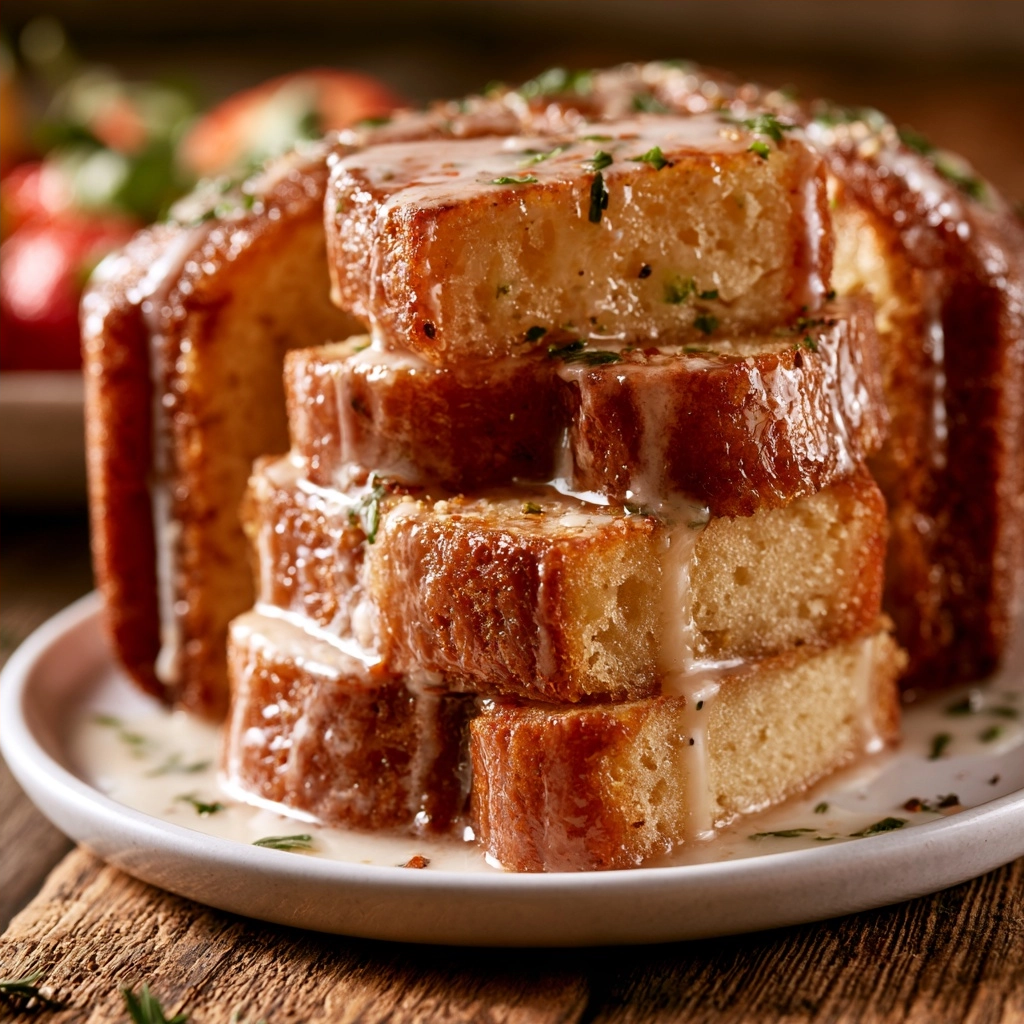
Classic Pound Cake is a dense, moist, and buttery dessert that serves as the gold standard for traditional baking. My journey with this recipe at Eminent Recipes began in my grandmother’s kitchen, where she taught me that patience during the creaming process yields a superior texture. You will love this recipe because it is incredibly reliable, easy to assemble, and requires only simple pantry staples. This comfort-focused dish provides a balanced, one-pot mixing style perfect for busy weeknights or a sophisticated weekend brunch.
Recipe Overview
| Prep Time | Cook Time | Total Time | Servings | Difficulty | Cuisine |
|---|---|---|---|---|---|
| 20 mins | 75 mins | 95 mins | 12 | Easy | American |
Why This Recipe Works
This recipe succeeds by focusing on the precise aeration of butter and sugar. By beating these ingredients for a full five minutes, we create a stable structure that supports the weight of the flour, resulting in a fine, uniform crumb that remains moist for days.
Using full-fat sour cream adds a subtle tang that cuts through the richness of the butter. This acidity also reacts slightly with the baking powder to ensure a lift that keeps the cake tender rather than heavy. It is a foolproof method for anyone seeking the quintessential pound cake experience.
Ingredients
| Ingredient | Quantity | Notes |
|---|---|---|
| All-purpose flour | 384 g | Spoon and level accurately |
| Baking powder | 2 g | Freshness is key for lift |
| Fine salt | 3 g | Enhances butter flavor |
| Unsalted butter | 339 g | Cool, dentable texture |
| Granulated sugar | 400 g | White superfine sugar |
| Large eggs | 5 | Room temperature |
| Full-fat sour cream | 240 g | Room temperature |
| Pure vanilla extract | 15 ml | Quality matters |
| Lemon zest | 5 g | Optional for brightness |
Step-by-Step Instructions
Preparation and Mixing
- Preheat your oven to 165°C (325°F) and position the rack in the center.
- Grease your Bundt pan or loaf pans thoroughly with butter and dust with flour, tapping out excess.
- Whisk the flour, baking powder, and salt together in a medium bowl until uniform.
Creaming and Batter
- Beat the softened butter and granulated sugar on medium speed for 4 to 5 minutes until pale and fluffy.
- Add eggs one at a time, beating for 30 seconds after each, then incorporate vanilla and zest.
- Add the flour mixture in 3 parts, alternating with the sour cream in 2 parts, beginning and ending with dry ingredients.
- Mix on low speed until the final streaks of flour disappear, being careful not to overwork the batter.
Baking and Cooling
- Scrape the batter into your prepared pan and smooth the top with a spatula.
- Tap the pan firmly on the counter twice to release trapped air bubbles.
- Bake until a skewer inserted in the center comes out clean, checking at 55 minutes for loaves.
- Cool the cake inside the pan for 15 minutes before transferring to a wire rack.
Chef Tips for Perfect Results
- Always use room temperature ingredients to ensure an even emulsion that does not split.
- Scrape your mixing bowl at least twice during the creaming phase to ensure no butter patches remain.
- Avoid overmixing once the flour is added; this keeps the cake tender rather than tough.
- Tent the cake with aluminum foil if the top browns too quickly before the center sets.
Common Mistakes to Avoid
One major error is rushing the creaming step. If the butter and sugar are not sufficiently aerated, the cake will be dense and gummy. Ensure you use a timer for that five-minute beat.
Another mistake is using cold eggs. Cold eggs shock the creamed butter, causing the batter to curdle and ruining the final texture. Let your eggs sit on the counter for at least an hour before you begin baking.
Variations and Substitutions
| Ingredient | Substitution | Impact |
|---|---|---|
| Sour Cream | Greek Yogurt | Slightly tangier and thinner |
| Vanilla Extract | Almond Extract | Adds a nutty floral note |
| Lemon Zest | Orange Zest | Provides a sweeter citrus profile |
Serving Suggestions and Pairings
Serve this cake warm with a side of fresh macerated strawberries and lightly sweetened whipped cream for a classic dessert. It also pairs beautifully with a hot cup of black tea or strong coffee for a simple afternoon snack.
Storage and Reheating
| Method | Duration | Instructions |
|---|---|---|
| Countertop | 3 days | Wrap tightly in plastic film |
| Freezer | 2 months | Slice and wrap individually |
Nutritional Information
| Nutrient | Amount per Serving |
|---|---|
| Calories | 320 kcal |
| Fat | 16 g |
| Carbohydrates | 42 g |
| Protein | 4 g |
Note: These are approximate values based on a 12-serving yield.
Frequently Asked Questions
Can I substitute butter with margarine?
Margarine contains a higher water content, which alters the structure and flavor of a traditional pound cake. Stick to high-quality unsalted butter for the authentic flavor and texture profile.
How do I know when the cake is done?
The cake is finished when a wooden skewer or cake tester inserted into the deepest part comes out clean or with a few moist crumbs attached. Avoid relying solely on time as oven temperatures vary significantly.
Why did my cake sink in the middle?
Sinking usually occurs from underbaking or opening the oven door too early during the initial rise. Ensure the center is set before removing the cake from the heat.
Can I make this cake one day ahead?
Pound cake actually improves in flavor and texture if stored for 24 hours. Wrap the cooled cake tightly in plastic to maintain its moisture levels.
Is it possible to make this in a loaf pan instead?
This recipe works perfectly in two 23 x 13 cm loaf pans. Adjust your baking time to 55 to 65 minutes as loaf pans have a different surface area than Bundt pans.
Mastering this Classic Pound Cake recipe provides a reliable foundation for your dessert repertoire. Whether you serve it plain or dressed with seasonal berries, the rich, buttery crumb remains a highlight of home baking. Experiment with the flavor profiles by adding citrus zest or extracts to make this timeless recipe your own signature treat.
Classic Pound Cake
Ingredients
Method
- Prep the pan. Place a rack in the middle and preheat to 165°C (325°F). Grease a 3 L (10-inch) Bundt pan, or two 23 x 13 cm (9 x 5-inch) loaf pans, with soft butter, then dust with flour and tap out the excess.
- Mix the dry ingredients. Whisk the flour, baking powder, and salt in a bowl.
- Cream. Beat the butter and sugar on medium speed 4 to 5 minutes, until very pale and fluffy. Scrape the bowl once. This step gives the cake its fine crumb.
- Add the eggs. Beat in the eggs one at a time, 30 seconds each, then the vanilla and zest.
- Alternate. On low speed, add the flour in 3 additions and the sour cream in 2, starting and ending with flour. Mix just until no dry streaks remain.
- Fill. Scrape the batter into the pan, smooth the top, and tap the pan twice on the counter to release air.
- Bake. Bake the Bundt 65 to 75 minutes, or the loaves 55 to 65 minutes, until a skewer in the thickest part comes out clean. If the top is dark at 40 minutes, tent with foil.
- Cool. Cool 15 minutes in the pan, then turn out onto a rack and cool completely, about 1 hour.
Notes
- Serve with: Macerated strawberries (300 g strawberries with 25 g sugar, 30 minutes, about $2.00 more) and whipped cream.
- Swap: Use 10 ml almond extract in place of 10 ml of the vanilla, or add 15 g poppy seeds with the dry ingredients.
- Tip: Room-temperature butter, eggs, and sour cream make the batter smooth and prevent a dense, greasy crumb.
- Storage: Keeps 4 days covered at room temperature, or 3 months in the freezer.