
Classic Vanilla Cake is a foundational dessert featuring a tender, buttery crumb and a delicate aroma that defines home baking. At Eminent Recipes, we prioritize precision and simplicity to ensure every home baker achieves professional results. This recipe provides a consistently light texture and rich flavor, making it the perfect base for any celebration or a quiet afternoon treat. You will love how easily this straightforward, family-friendly method transforms basic pantry staples into a decadent masterpiece.
Recipe Overview
| Prep Time | 10 minutes |
|---|---|
| Cook Time | 35 minutes |
| Total Time | 45 minutes |
| Servings | 10 slices |
| Difficulty | Easy |
| Cuisine | American |
Why This Recipe Works
This recipe relies on the creaming method to incorporate air into the batter, which is the secret to a light and fluffy sponge. By beating the butter and sugar until pale, we create a stable structure that supports the lift from the baking powder. The gradual addition of eggs ensures the emulsion remains stable, preventing a dense or rubbery texture that often plagues beginner bakes.
Using room-temperature ingredients is another crucial element of my process at Eminent Recipes. When the milk and eggs are at the same temperature as the creamed butter, they bond seamlessly to create a silky, homogenous batter. This attention to detail results in a cake with a fine, uniform crumb that stays moist for days. You will find that this reliable process eliminates the stress often associated with baking from scratch.
Ingredients
| Ingredient | Quantity | Notes |
|---|---|---|
| All-purpose flour | 280 g | Sift for best results |
| Granulated sugar | 250 g | Superfine sugar works too |
| Baking powder | 12 g | Ensure it is fresh |
| Fine salt | 3 g | Enhances sweetness |
| Unsalted butter | 170 g | Softened to room temp |
| Large eggs | 180 g (4 eggs) | Must be room temperature |
| Whole milk | 240 ml | Full fat is preferred |
| Vanilla extract | 15 ml | Use pure vanilla extract |
| Powdered sugar | 300 g | Sift to avoid clumps |
Step-by-Step Instructions
Preparation and Mixing
- Preheat your oven to 175°C (350°F) and grease two 20 cm (8-inch) round cake pans, lining the bottoms with parchment paper.
- Whisk the flour, baking powder, and salt in a medium bowl until thoroughly combined, then set this mixture aside.
- Beat the softened butter and sugar in a large mixing bowl for 4–5 minutes until the mixture looks pale and fluffy.
- Add the eggs one at a time, beating well after each addition, then stir in the vanilla extract until fully incorporated.
Baking and Assembly
- Alternate adding the flour mixture and milk to the butter base in three portions, starting and ending with the flour mixture, and mixing only until smooth.
- Divide the batter equally into your prepared pans and bake for 28–35 minutes until a toothpick inserted in the center comes out clean.
- Cool the cakes in their pans for 10 minutes before transferring them to a wire rack to cool completely.
- Prepare the buttercream by beating the butter until creamy, then gradually adding powdered sugar, vanilla, salt, and milk until the consistency is smooth and spreadable.
- Frost the first layer, place the second layer on top, and cover the entire cake with the remaining buttercream using a spatula.
Chef Tips for Perfect Results
- Measure your flour by spooning it into the measuring cup rather than scooping directly from the bag to avoid overpacking.
- Use room temperature ingredients to ensure the batter emulsifies properly and avoids curdling during mixing.
- Do not overmix the batter once the flour is added; this keeps the gluten development low for a tender crumb.
- Test for doneness using a wooden skewer or toothpick; it should have a few moist crumbs attached but no wet batter.
Common Mistakes to Avoid
One major error is using cold eggs, which can cause the creamed butter to seize and result in a dense cake. Always set your eggs out on the counter at least one hour before starting. Another frequent mistake is opening the oven door too early, which causes the temperature to drop and the center of the cake to sink. Wait until at least 25 minutes have passed before checking on your cake.
Variations and Substitutions
| Ingredient | Substitution | Impact |
|---|---|---|
| Whole milk | Greek yogurt | Adds tang and density |
| Vanilla extract | Almond extract | Adds a nutty flavor profile |
| Butter | Coconut oil | Provides a subtle tropical aroma |
Serving Suggestions
Serve this classic vanilla cake at birthday parties, family reunions, or holiday gatherings. It pairs beautifully with fresh seasonal berries, such as strawberries or raspberries, which provide a tart contrast to the sweet buttercream. A scoop of vanilla bean ice cream on the side adds a temperature contrast that makes the dessert feel truly special.
Storage and Reheating
| Method | Duration | Instructions |
|---|---|---|
| Room temperature | 2 days | Store in an airtight container |
| Refrigerator | 5 days | Wrap tightly in plastic film |
| Freezer | 3 months | Freeze layers before frosting |
Nutritional Information
Approximate values per serving.
| Nutrient | Amount |
|---|---|
| Calories | 380 kcal |
| Protein | 4 g |
| Fat | 18 g |
| Carbohydrates | 52 g |
Frequently Asked Questions
Can I substitute butter for oil?
You can substitute butter with a neutral vegetable oil for a moister cake, though you will lose some of the signature buttery flavor. Use an equal amount of oil by weight to maintain the correct structural integrity of the cake.
How do I know when the cake is done?
The cake is done when a toothpick or cake tester inserted into the center comes out clean or with only a few small crumbs. You should also notice the edges of the cake pulling slightly away from the sides of the pan.
Why did my cake sink in the middle?
A cake often sinks due to opening the oven door too soon or using expired baking powder. Ensure your baking powder is active and avoid disturbing the oven environment during the first 25 minutes of baking.
Can I make this cake ahead of time?
You can bake the cake layers up to two days in advance if stored properly at room temperature. For longer storage, wrap the cooled, unfrosted layers tightly in plastic wrap and store them in the freezer for up to three months.
How do I achieve a perfectly smooth frosting?
Achieve a smooth finish by using a bench scraper and ensuring your buttercream is at room temperature. Keep a small bowl of warm water nearby to dip your spatula in, which helps smooth out the buttercream surface.
Baking a Classic Vanilla Cake is a rewarding experience that delivers a timeless treat for any occasion. By following these precise steps and professional tips, you guarantee a moist, flavorful result that everyone will enjoy. Start your baking journey today and master this essential kitchen staple. The combination of high-quality butter and pure vanilla creates a flavor profile that stands the test of time, ensuring this recipe becomes a permanent favorite in your home. Enjoy the process of creating something truly special from simple, wholesome ingredients.
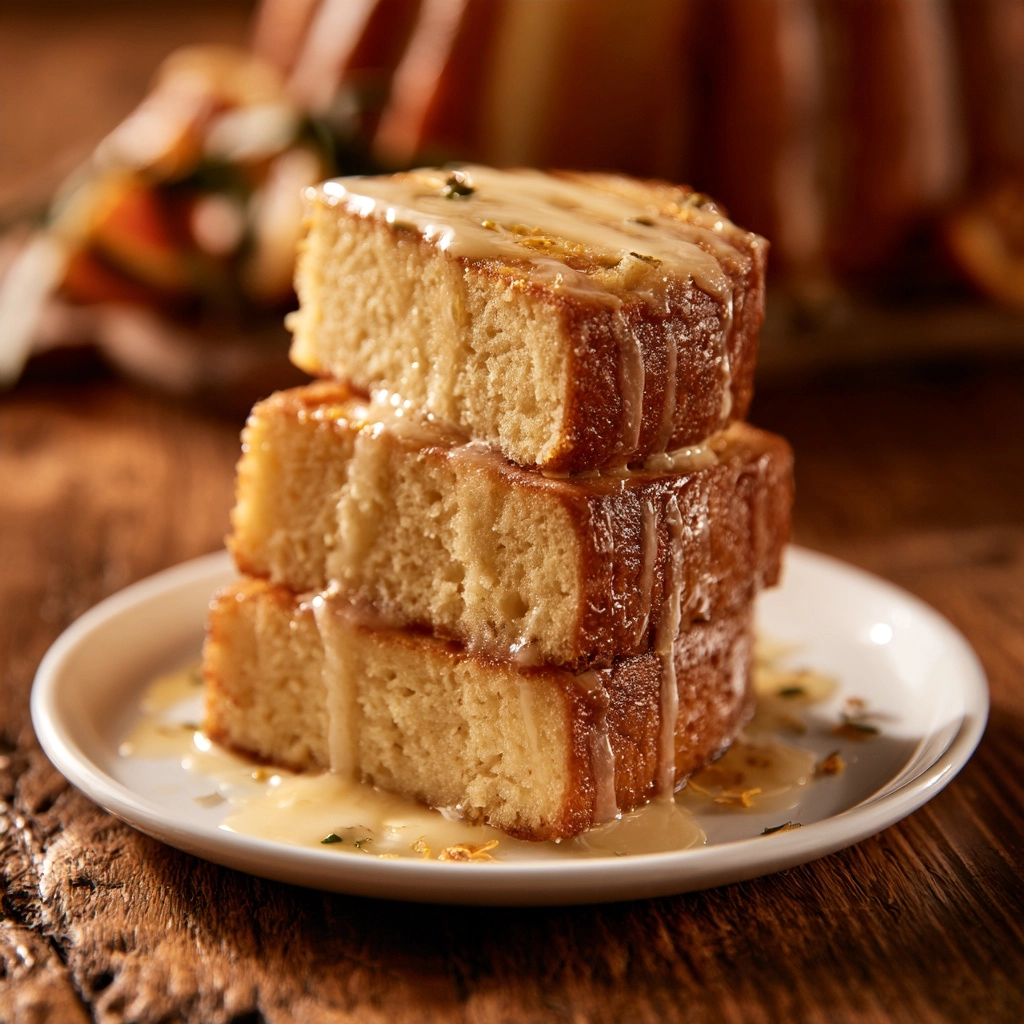
Classic Vanilla Cake: The Ultimate Moist Recipe
Ingredients
Method
- Prepare the pans — 10 minutes. Preheat the oven to 175°C (350°F). Grease two 20 cm (8-inch) round cake pans and line the bottoms with parchment paper.
- Mix the dry ingredients — 3 minutes. Whisk the flour, baking powder, and salt in a bowl. Set aside.
- Cream the butter and sugar — 4–5 minutes. Beat the softened butter and sugar until pale and fluffy. This step helps create a lighter cake crumb.
- Add the eggs and vanilla — 4 minutes. Add the eggs gradually, beating well after each addition. Mix in the vanilla extract until evenly incorporated.
- Combine the batter — 3 minutes. Add the flour mixture in three portions, alternating with the milk. Begin and finish with the flour mixture. Mix only until smooth.
- Divide and bake — 28–35 minutes. Divide the batter evenly between the pans. Bake until the tops are lightly golden and a toothpick inserted into the centers comes out clean.
- Cool the cake layers — 45 minutes. Let the cakes rest in their pans for 10 minutes. Turn them out onto wire racks and cool completely.
- Prepare the buttercream — 7 minutes. Beat the butter until creamy. Gradually add the powdered sugar, followed by the vanilla, salt, and enough milk to create a smooth, spreadable frosting.
- Frost the cake — 10 minutes. Place one cake layer on a plate and spread buttercream over it. Add the second layer and cover the top and sides with the remaining frosting. Smooth with a spatula.
Notes
- Room-temperature ingredients: Butter, eggs, and milk should be at room temperature for a more even batter.
- Flavor variations: Add 5 g lemon zest or use almond extract in place of a small portion of the vanilla.
- Storage: Keep covered at room temperature for up to 2 days or refrigerate for up to 5 days.
- Serving: Allow refrigerated cake to sit at room temperature for 30–45 minutes before serving.