
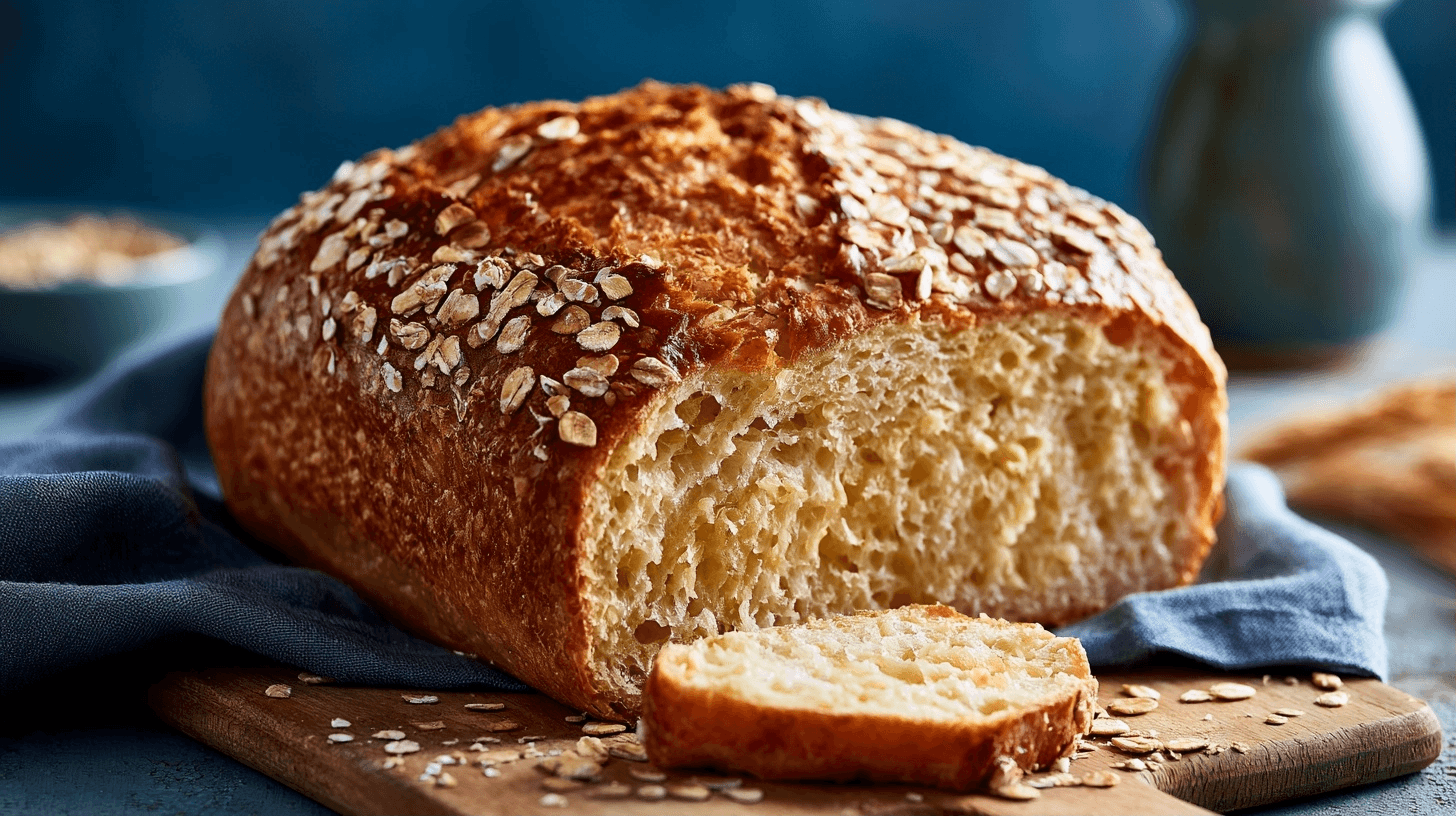
Are you searching for the perfect homemade bread to elevate your meals? Honey oat bread offers a delightful combination of wholesome oats and a touch of sweetness. This versatile baked good is ideal for everything from breakfast toast to hearty sandwiches.
Creating a delicious loaf at home might seem daunting, but it’s surprisingly straightforward. This article will guide you through an easy recipe. You will learn the simple steps involved in preparing a flavorful, tender loaf. We will explore both traditional methods and a convenient no-knead variation.
Imagine the aroma filling your kitchen as your bread bakes in the oven. The process begins with combining a few basic ingredients to form a soft mixture. You will then allow this mixture to rise, developing its characteristic airy texture. Finally, it transforms into a golden-brown masterpiece.
This bread is not just for sandwiches. It pairs wonderfully with a spread of honey butter or your favorite jam. It also makes an excellent accompaniment to soups and stews. Get ready to impress your family and friends with your baking skills. Soon you will enjoy a slice of this comforting homemade treat.
Why Honey Oat Bread is a Must-Try
Why should you try making honey oat bread? This delightful bread offers a unique blend of flavors and textures. It is a fantastic choice for any meal. You can use it as a hearty sandwich bread. The inclusion of rolled oats provides a pleasant chewiness. It also adds a rustic charm to each slice. A touch of honey gives it a subtle sweetness. This balances perfectly with the earthy notes of the oats. Making this bread is a rewarding experience. The process involves simple ingredients like all-purpose flour, warm water, and a leavening agent. You can even incorporate whole wheat flour for added nutrition. Some recipes also use milk and oil to achieve a softer crumb. The resulting loaf is wonderfully fluffy. It has a golden-brown crust. You can mix the dough by hand or use a stand mixer for convenience. A pinch of salt enhances all the flavors. This bread is truly a must-bake for any home baker.
Essential Ingredients for Your Honey Oat Bread
What are the essential ingredients for your honey oat bread? Crafting a delicious loaf requires a few fundamental items. These components work together to create the perfect texture and taste. You will need basic pantry staples to get started. First, gather all-purpose flour for the main structure. Next, ensure you have active dry fermenting agent to help the mixture rise. A touch of honey provides a lovely flavor. Rolled oats add texture and a wholesome feel. Consider adding a dash of ground cinnamon for a warm aroma. You can even explore gluten-free flour blends for alternative diets.
| Ingredient | Quantity/Notes |
|---|---|
| All-Purpose Flour | 3 cups |
| Rolled Oats | 1 cup |
| Warm Water | 1 ¼ cups |
| Honey | ¼ cup |
| Fermenting Agent | 2 ¼ teaspoons (1 packet) |
| Salt | 1 teaspoon |
| Butter (melted) | 2 tablespoons |
| Ground Cinnamon | ½ teaspoon (optional) |
Smart Substitutions for Dietary Needs and Pantry Staples
Can you make smart substitutions for dietary needs and pantry staples? Absolutely, many ingredients in honey oat bread recipes are adaptable. For a gluten-free version, substitute a 1:1 gluten-free flour blend for regular flour. This keeps the structure intact. If you are out of honey, maple syrup or agave nectar work well. Use an equal amount. For a dairy-free option, replace milk with a plant-based alternative like almond or soy milk. This ensures a moist crumb. If you don’t have active dry fermenting agent, instant fermenting agent can be used. There is no need to proof it separately. Simply add it directly to the dry ingredients. For an egg-free recipe, a “flax egg” (one tablespoon ground flaxseed mixed with three tablespoons water) can bind the mixture. Do you want to increase the fiber content? Add some whole wheat flour to the mixture. Just remember that whole wheat flour might require a little extra liquid.
Step-by-Step: How to Make Honey Oat Bread
How do you make honey oat bread step-by-step? Follow these instructions to create a delicious loaf. This process ensures a perfectly risen and flavorful bread.
Step 1: Activate the Fermenting Agent. Combine the fermenting agent with a small amount of the golden syrup and tepid liquid in a bowl. Let it sit for about five minutes until foamy. This confirms the fermenting agent is active.
Step 2: Combine Dry Ingredients. In a large mixing bowl, whisk together the all-purpose flour, a pinch of seasoning, and the grain flakes. Make sure these ingredients are well-distributed.
Step 3: Mix Wet and Dry. Pour the activated fermenting agent mixture, remaining golden syrup, and melted butter into the dry ingredients. Stir until a shaggy mixture forms.
Step 4: Knead the Mixture. Turn the mixture out onto a lightly floured surface. Knead for 8-10 minutes until the mixture is smooth and elastic. It should spring back when lightly poked.
Step 5: First Rise. Place the kneaded mixture in a greased bowl, turning once to coat. Cover it with a clean cloth. Allow it to rise in a warm spot for 1-1.5 hours, or until doubled in size.
Step 6: Shape the Loaf. Gently punch down the risen mixture to release air. Form it into a loaf shape. Place it into a prepared loaf pan.
Step 7: Second Rise. Cover the loaf pan and let the mixture rise again for 30-45 minutes. It should nearly double in size once more.
Step 8: Bake. Preheat your oven to 375°F (190°C). Bake for 30-35 minutes, or until the crust is golden brown. The internal temperature should reach 200-210°F (93-99°C).
Step 9: Cool. Remove the bread from the pan immediately after baking. Let it cool completely on a wire rack before slicing. This prevents a gummy interior.
Preparing Your Dough for Success
How do you prepare your dough for success? Proper preparation is crucial for a light and airy loaf. First, ensure your fermenting agent is active. This makes sure your mixture will expand correctly. Next, combine your dry ingredients thoroughly. This distributes them evenly throughout the mixture. Add the wet ingredients gradually. Mix until just combined to avoid overworking the mixture. Kneading develops the gluten structure. This gives the bread its characteristic chewiness. A well-kneaded dough will be smooth and elastic. It should spring back when you gently poke it. This indicates sufficient gluten development. Allowing the dough to rest is also vital. This first proofing lets the fermenting agent work its magic. The mixture will double in size. This creates the airy pockets within your honey oat bread.
Baking to Golden Perfection
How do you achieve golden perfection when baking? Achieving a beautiful crust and a fully cooked interior requires careful attention to baking time and temperature. Preheat your oven to the specified temperature. This ensures a consistent baking environment from the start. Place your prepared dough in the preheated oven. The heat helps the fermenting agent, or yeast, become very active initially. This creates a final burst of expansion, often called oven spring. Bake the bread until the crust turns a rich golden brown. An internal temperature of 200-210°F (93-99°C) indicates doneness. Use a thermometer for accuracy. Cooling the bread completely on a wire rack is essential. This allows steam to escape, preventing a gummy interior. It also sets the crumb structure.
Expert Tips for the Best Honey Oat Bread
Expert Tips for the Best Honey Oat Bread
What are some expert tips for the best honey oat bread? Several techniques can elevate your homemade creation. First, consider using high-quality honey for a richer flavor profile. This natural sweetener enhances the overall taste. Next, ensure your dry ingredients are fresh. Old ingredients can impact the final outcome. For instance, stale leavening agents may prevent proper expansion. This results in a dense product. Do not rush the proofing process. Adequate resting time allows the fermenting agent to fully develop. This creates a more open crumb structure. A slow proof often yields more flavorful results. Finally, resist the urge to slice your bread too soon. Cooling completely on a wire rack is vital. This prevents a gummy interior. It allows internal moisture to redistribute evenly.
Troubleshooting Common Baking Issues
What are common issues when making this type of bread? Many home bakers encounter challenges. However, most problems are easy to fix. Understanding the cause is the first step. Is your bread too dense? This often happens if the mixture was not allowed to fully expand. Ensure your fermenting agent is active. Give the mixture enough time to double in size during proofing. Perhaps your bread did not brown evenly. Your appliance might have hot spots. Rotate the pan halfway through the cooking time. This promotes consistent coloring. A gummy interior is another frequent complaint. This usually means the bread did not cook long enough. Alternatively, it might not have cooled properly. Always let it cool completely on a rack.
Storing and Freezing Your Honey Oat Bread
How should you store and freeze your freshly baked honey oat bread? Proper storage extends its freshness and maintains its delicious taste. Keep your baked goods at room temperature for up to three days. Use an airtight container or a plastic bag. This prevents the bread from drying out. For longer storage, consider refrigeration. This method keeps it fresh for up to a week. Freezing is an excellent option for extended preservation. First, allow the entire creation to cool completely. Wrap it tightly in plastic wrap. Then, add a layer of aluminum foil. This double wrapping protects against freezer burn. It also locks in moisture. Frozen baked goods can last for several months. Thaw frozen items at room temperature before serving.
Creative Ways to Enjoy Your Honey Oat Bread
How can you creatively enjoy your delicious homemade bread? This versatile baked good offers many delightful possibilities beyond a simple slice. Consider using it for gourmet sandwiches. Pair it with savory fillings like turkey and avocado. A touch of cranberry sauce adds a festive touch. Alternatively, transform it into elegant French toast. Dip thick slices in an egg mixture. Cook until golden brown. Serve with fresh berries and maple syrup. You can also make croutons for soups or salads. Cut the bread into cubes. Toss with herbs and a little fat. Bake until crisp and golden. For a comforting dessert, try a bread pudding. Combine cubed pieces with custard. Add dried fruit or nuts. This creates a satisfying treat.
Frequently Asked Questions About Honey Oat Bread
How do you make honey oat bread from scratch?
You begin by activating the leavening agent with a liquid and a touch of sweetener. Next, combine this with other dry ingredients and a specific grain. Mix everything until a soft mixture forms. Allow it to rest, then shape it and bake until golden brown.
Is honey oat bread healthy?
This depends on the specific recipe. Many versions contain beneficial grain and natural sweeteners. Consider recipes with minimal added sugars and fats. These offer good dietary fiber and energy for your day.
What is the difference between honey oat bread and regular oat bread?
The primary difference is the inclusion of a golden, viscous syrup. This ingredient adds a distinctive flavor profile and moistness. Standard oat variants may rely on other sweeteners or none at all. The syrup also contributes to a richer crust color.
Can I use honey oat bread for sandwiches?
Absolutely, it works wonderfully for sandwiches. Its slightly dense yet tender crumb holds up well to various fillings. The subtle sweet flavor complements both savory and sweet sandwich components. Try it with turkey and cheese or a fruit spread.
What kind of oats are best for honey oat bread?
Flatter, disc-shaped grain flakes are generally preferred. They absorb moisture effectively and contribute to a pleasant chewiness. Avoid instant varieties, as they can become mushy. Quick-cooking flakes can also work, but may yield a softer crumb.
Honey Oat Bread: A Delicious Homemade Recipe
- Total Time: 30 minutes
- Yield: 1 loaf 1x
Description
Discover how to bake a delightful honey oat bread at home with this easy-to-follow recipe. Perfect for sandwiches or toast, this bread combines wholesome oats with a touch of sweetness for a comforting treat.
Ingredients
3 cups All-Purpose Flour
1 cup Rolled Oats
1 ¼ cups Warm Water
¼ cup Honey
2 ¼ teaspoons Fermenting Agent (1 packet)
1 teaspoon Salt
2 tablespoons Butter (melted)
½ teaspoon Ground Cinnamon (optional)
Instructions
Activate the Fermenting Agent: Combine the fermenting agent with a small amount of the golden syrup and tepid liquid in a bowl. Let it sit for about five minutes until foamy. This confirms the fermenting agent is active.
Combine Dry Ingredients: In a large mixing bowl, whisk together the all-purpose flour, a pinch of seasoning, and the grain flakes. Make sure these ingredients are well-distributed.
Mix Wet and Dry: Pour the activated fermenting agent mixture, remaining golden syrup, and melted butter into the dry ingredients. Stir until a shaggy mixture forms.
Knead the Mixture: Turn the mixture out onto a lightly floured surface. Knead for 8-10 minutes until the mixture is smooth and elastic. It should spring back when lightly poked.
First Rise: Place the kneaded mixture in a greased bowl, turning once to coat. Cover it with a clean cloth. Allow it to rise in a warm spot for 1-1.5 hours, or until doubled in size.
Shape the Loaf: Gently punch down the risen mixture to release air. Form it into a loaf shape. Place it into a prepared loaf pan.
Second Rise: Cover the loaf pan and let the mixture rise again for 30-45 minutes. It should nearly double in size once more.
Bake: Preheat your oven to 375°F (190°C). Bake for 30-35 minutes, or until the crust is golden brown. The internal temperature should reach 200-210°F (93-99°C).
Cool: Remove the bread from the pan immediately after baking. Let it cool completely on a wire rack before slicing. This prevents a gummy interior.
- Cook Time: 30