
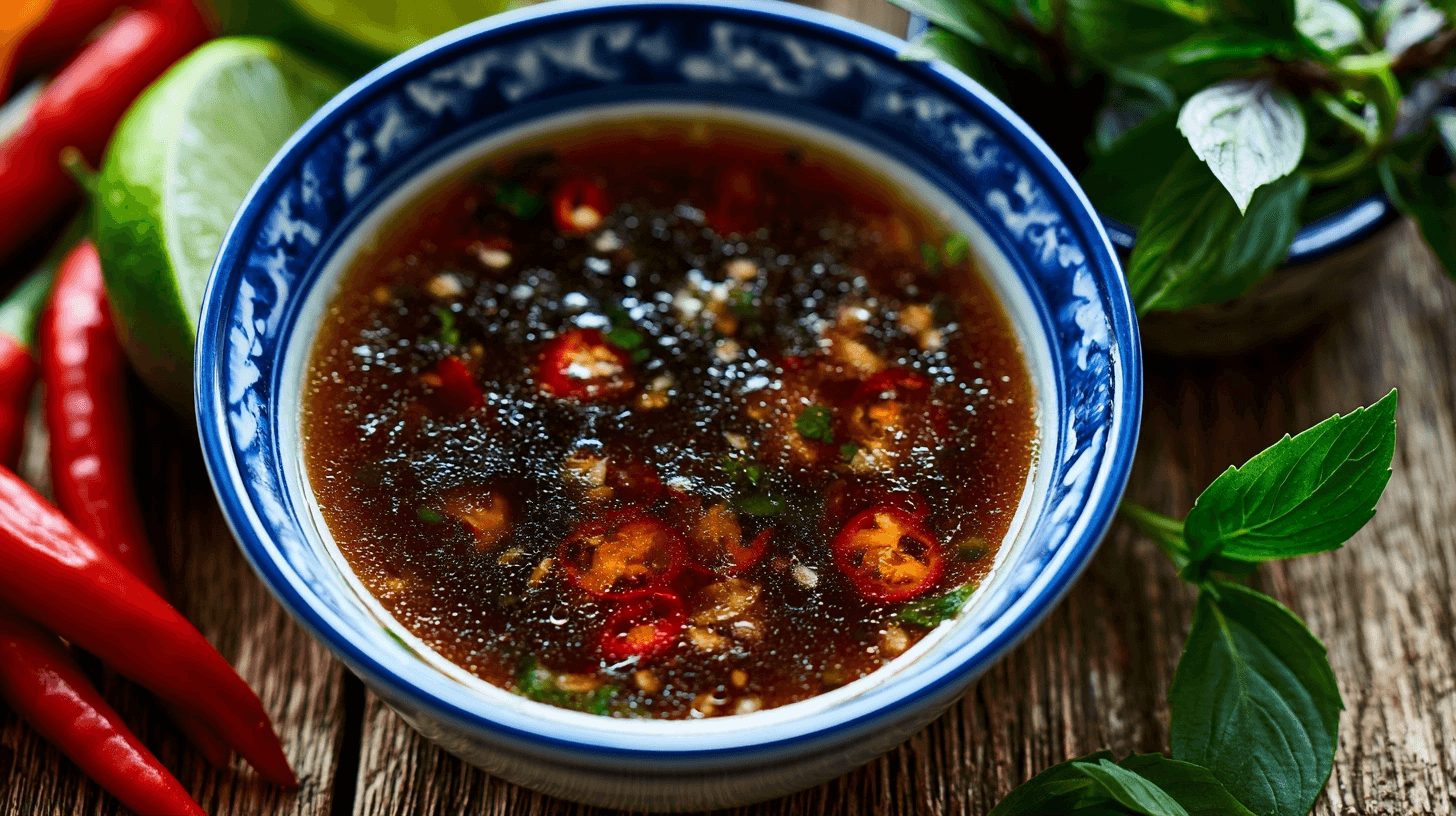
Are you curious about the secret behind the vibrant tastes of Vietnamese cuisine? The answer often lies in a distinctive condiment. Vietnamese fish sauce, known locally as nuoc cham, is a foundational element in many traditional dishes. This versatile sauce elevates the flavor profile of countless meals.
Nuoc cham is more than just a simple dipping sauce. It is a carefully balanced mixture of sweet, sour, salty, and spicy notes. Its complex flavor comes from a blend of primary ingredients. These typically include premium fish sauce, fresh lime juice, minced garlic, chili, and a touch of sugar. Learning to prepare this essential sauce can transform your home cooking. This article will guide you through a classic nuoc cham recipe, ensuring authentic Vietnamese flavor in your own kitchen.
What is Vietnamese Fish Sauce (Nước Mắm)?
Vietnamese fish sauce, or *nuoc mam*, is a savory liquid condiment. It is made from anchovies or other small fish that have been heavily salted and then fermented. This fermentation process can last for several months to over a year. The liquid extracted from this process becomes the flavorful sauce. This amber-colored liquid is a staple in Vietnamese cooking. It provides a deep, savory *umami* flavor to many dishes. High-quality varieties offer a rich, complex taste. These sauces do not just add saltiness; they also enhance other flavors in the meal. Many different brands produce this essential ingredient. Popular options include “Red Boat” and “Three Crabs.” These brands are recognized for their consistent quality. When selecting a sauce, look for those with a high protein content. This indicates a richer, more authentic flavor profile. The sauce is often diluted with *water* and other ingredients to create dipping sauces.
Understanding Fish Sauce Production: A Glimpse into Vietnamese Traditions
How is this essential ingredient produced? The creation of Vietnamese food fish sauce is a time-honored tradition. It begins with fresh anchovies, or sometimes other small aquatic creatures. These are carefully layered with coarse sea crystals in large wooden barrels. This mixture then undergoes a long fermentation process. It can last anywhere from several months to over a year. During this period, natural enzymes break down the protein in the fish. This process releases amino acids, which contribute to the sauce’s distinct character. The liquid slowly seeps from the bottom of the barrels. This initial extraction is the purest form of the condiment. It boasts a rich, deep hue and intense taste. Subsequent pressings yield lighter grades. These are often used for cooking rather than as a finishing condiment.
The Art of Nước Chấm: Vietnamese Dipping Sauce
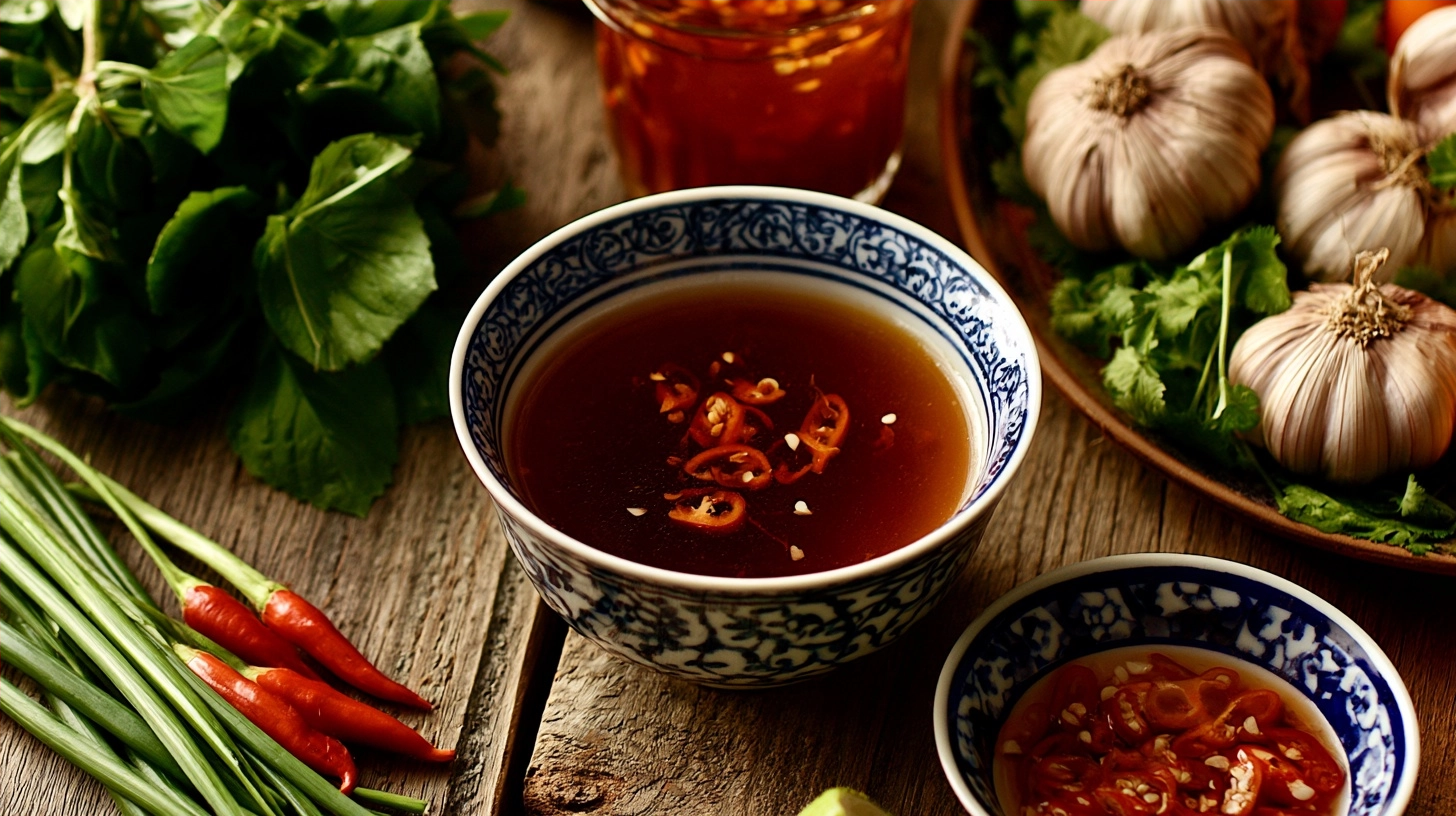
What is the art of crafting Vietnamese dipping sauce? The creation of this iconic condiment involves balancing several key elements. It combines the umami richness of quality fermented fish product with fresh, bright additions. This results in a harmonious blend of tastes. The base often includes premium fermented fish product. Freshly squeezed lime or lemon juice provides a tangy counterpoint. Minced garlic and finely chopped chilies add pungency and heat. A touch of sweetener, such as sugar or honey, brings everything into perfect equilibrium. This versatile sauce is perfect for spring rolls, grilled meats, and salads. Its refreshing yet complex profile enhances many meals.
Key Ingredients for Authentic Nước Chấm
What ingredients are central to authentic dipping sauce? Crafting this vital condiment requires a precise balance of components. These elements combine to create its distinctive taste profile. The foundation is always a high-quality fermented fish product. Fresh citrus juice provides essential acidity. This brightens the overall mixture. Aromatic alliums and hot peppers introduce pungency and warmth. Finally, a sweetener rounds out the profile. This creates a harmonious blend of tastes.
| Ingredient | Quantity/Notes |
|---|---|
| Premium Fermented Fish Product | Typically ¼ cup, choose a high-quality variety |
| Fresh Citrus Juice | Usually ¼ cup, from lime or lemon |
| Granulated Sugar | Approximately 2-3 tablespoons, adjust to preference |
| Water | Around ½ cup, to dilute and balance |
| Minced Allium | 1-2 cloves, finely chopped |
| Finely Chopped Hot Pepper | ½ – 1 small pepper, deseeded for less heat |
Traditional Vietnamese Dipping Fish Sauce Recipe (Nước Chấm)
How do you prepare a traditional Vietnamese dipping fish sauce? Crafting this iconic condiment involves combining specific elements for a balanced taste. This recipe guides you through creating an authentic version. Combine the water and granulated sweetener in a small saucepan. Heat gently until the sweetener fully dissolves. Let this mixture cool completely before proceeding. This step ensures proper dissolution. Next, combine the cooled liquid with the fish product, fresh citrus juice, minced allium, and chopped hot pepper in a bowl. Stir everything together thoroughly. Taste and adjust the proportions as needed. You might prefer more tang or more heat. | Component | Measurement | | :—————- | :————————— | | Water | ½ cup | | Granulated Sweetener | 2 tablespoons | | Quality Fish Product | ¼ cup | | Fresh Citrus Juice | ¼ cup | | Minced Allium | 1 clove | | Chopped Hot Pepper | ½ (small) | This dipping sauce is best served fresh. It complements many Vietnamese dishes. Enjoy it with spring rolls or grilled meats.
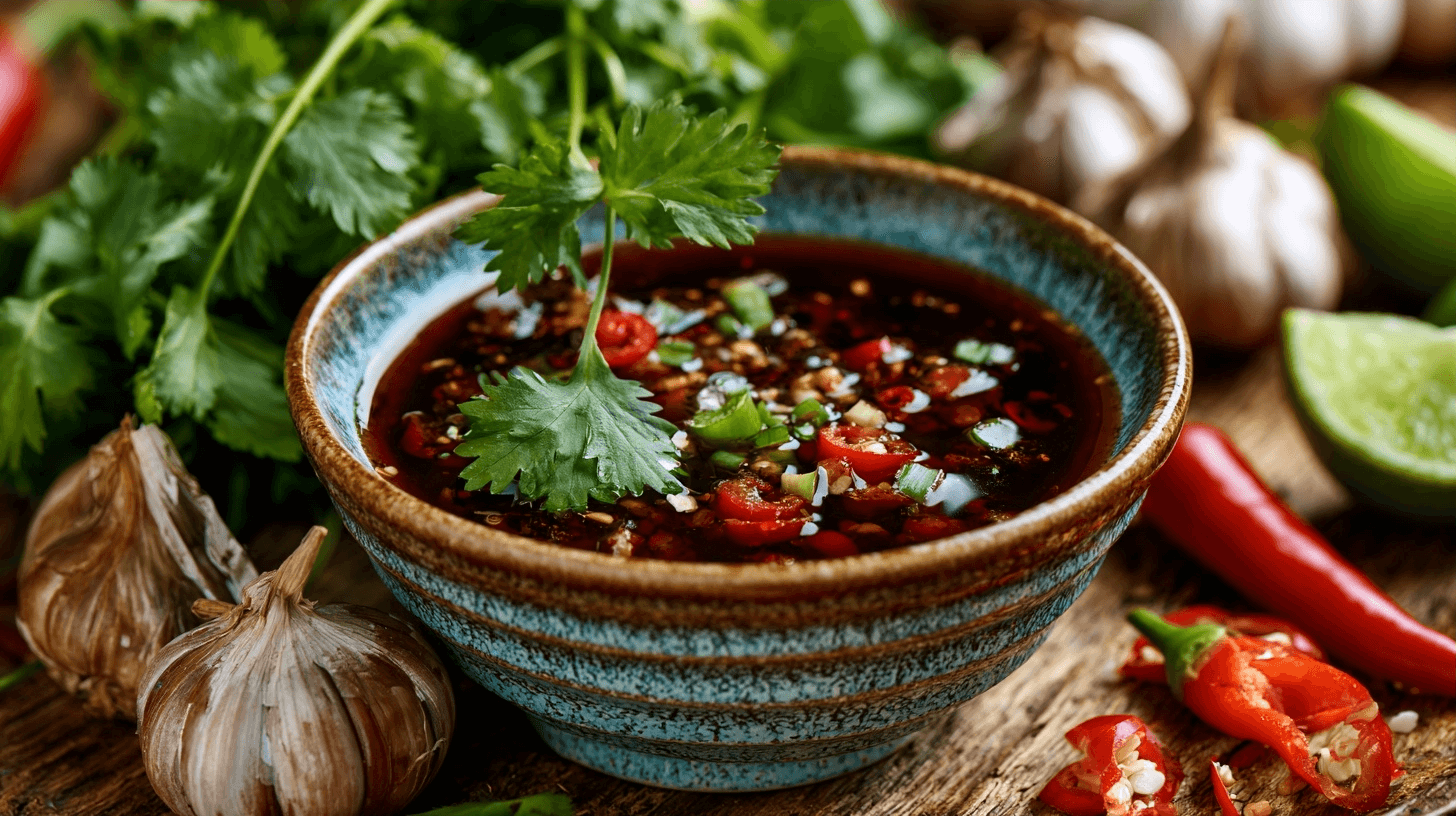
Step-by-Step Preparation Guide
Step 1: Dissolve the Sweetener. Begin by gently heating half a cup of liquid with two tablespoons of granulated sweetener. Stir until the crystals completely disappear.
Step 2: Cool the Mixture. Remove the saucepan from the heat. Allow this sweetened liquid to cool thoroughly. This prevents any cooking of the fresh components.
Step 3: Combine Liquids. In a separate bowl, pour in a quarter cup of the cooled sweetened liquid. Add a quarter cup of premium Vietnamese food fish sauce. Incorporate a quarter cup of fresh citrus juice.
Step 4: Add Aromatics. Stir in one clove of finely minced allium. Include half a small, chopped hot pepper. Mix all components well to ensure even distribution.
Step 5: Taste and Adjust. Sample the finished condiment. Adjust the ratios of individual components to suit your preference. You might desire more tang or more piquancy.
Step 6: Serve Fresh. Present your homemade Vietnamese dipping sauce immediately. It pairs wonderfully with many traditional dishes.
Tips for Making Nước Chấm Ahead of Time
Can you prepare this condiment in advance? Yes, you can certainly make this Vietnamese dipping liquid ahead of time. Proper storage is essential for maintaining its freshness and taste. This allows for convenient meal preparation. Store the finished condiment in an airtight container. Refrigerate it promptly after preparation. The absence of fresh herbs helps extend its shelf life. It will typically remain vibrant for up to one week. However, consider adding fresh herbs and peppers just before serving. This ensures their bright aroma and crisp texture. For instance, thinly sliced bird’s eye peppers and cilantro sprigs enhance presentation. Furthermore, this method keeps the condiment looking its best.
Recipe Variations and Creative Twists
What are some ways to customize this dipping liquid? You can easily alter this versatile condiment to suit different palates. Experiment with various components to create unique experiences. These changes can transform your culinary creations. Consider adding different aromatic elements. Try finely grated ginger for a warm, pungent kick. A touch of sesame oil introduces a nutty depth. These small adjustments can yield significant taste shifts. Furthermore, explore alternative souring agents. Rice vinegar offers a milder acidity than citrus. Pineapple juice provides a tropical tang and subtle sweetness. Each addition brings a new dimension to the mixture.
Variation Ideas for Your Dipping Liquid
| Variation Component | Notes on Usage |
|---|---|
| Fresh Ginger | Add ½ teaspoon grated for warmth. |
| Toasted Sesame Oil | A few drops for a nutty aroma. |
| Rice Vinegar | Substitute for citrus for less tartness. |
| Pineapple Juice | Use instead of some liquid for tropical notes. |
| Finely Chopped Scallions | Stir in for a mild oniony bite. |
What to Eat with Nước Chấm: Popular Pairings
What popular pairings complement this dipping liquid? This versatile condiment elevates many Vietnamese culinary creations. Its balanced profile enhances both savory and fresh components. You will find it indispensable for numerous meals. It pairs exceptionally well with grilled meats. Try it with succulent pork or flavorful beef. The acidity cuts through richness. Spring rolls, both fresh and fried, also benefit from its bright tang. Furthermore, serve it alongside delicate seafood. Steamed fish or grilled shrimp become more vibrant. Many noodle and rice bowls also welcome a drizzle of this mixture. It adds a crucial layer of zest.
FAQ About Vietnamese Food Fish Sauce
What is fish sauce used for in Vietnamese cooking?
This pungent condiment is a cornerstone of many traditional meals. It enhances the taste of various preparations, from marinades to dipping accompaniments. Many cooks use it to balance other tastes in their recipes.
Is fish sauce healthy in Vietnamese food?
This condiment can be part of a healthy diet in moderation. It provides essential amino acids and some minerals. However, it can be high in sodium, so mindful consumption is advised.
What are the best brands of fish sauce for Vietnamese cuisine?
Many culinary enthusiasts prefer specific labels for authentic taste. Red Boat is often highly recommended for its purity and depth. Phu Quoc and Son are also popular choices among home cooks and chefs.
How is Vietnamese fish sauce made?
Producers traditionally create this liquid seasoning from anchovies and sea personalizing. These are layered in large barrels and allowed to age over several months. This process extracts the rich, savory liquid.
How long does nước chấm last?
A well-prepared batch of this dipping accompaniment can last for several weeks. Store it in an airtight container in the refrigerator. Its acidity helps preserve its freshness and taste profile.
Print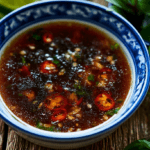
Traditional Vietnamese Dipping Fish Sauce (Nước Chấm)
- Total Time: 15 minutes
- Yield: Approximately 1 cup 1x
Description
Crafting this iconic condiment involves combining specific elements for a balanced taste. This recipe guides you through creating an authentic version of Nước Chấm, a versatile sauce perfect for spring rolls, grilled meats, and salads.
Ingredients
½ cup Water
2 tablespoons Granulated Sweetener (sugar)
¼ cup Quality Fish Product (premium fish sauce)
¼ cup Fresh Citrus Juice (lime or lemon)
1 clove Minced Allium (garlic)
½ (small) Chopped Hot Pepper (chili, deseeded for less heat)
Instructions
1. Dissolve the Sweetener: Begin by gently heating half a cup of liquid with two tablespoons of granulated sweetener. Stir until the crystals completely disappear.
2. Cool the Mixture: Remove the saucepan from the heat. Allow this sweetened liquid to cool thoroughly. This prevents any cooking of the fresh components.
3. Combine Liquids: In a separate bowl, pour in a quarter cup of the cooled sweetened liquid. Add a quarter cup of premium Vietnamese food fish sauce. Incorporate a quarter cup of fresh citrus juice.
4. Add Aromatics: Stir in one clove of finely minced allium. Include half a small, chopped hot pepper. Mix all components well to ensure even distribution.
5. Taste and Adjust: Sample the finished condiment. Adjust the ratios of individual components to suit your preference. You might desire more tang or more piquancy.
6. Serve Fresh: Present your homemade Vietnamese dipping sauce immediately. It pairs wonderfully with many traditional dishes.
- Prep Time: 10
- Cook Time: 5
Want more sweet and savory recipes like this? Follow us on Facebook for daily dinner ideas, cooking tips, and behind-the-scenes moments from Eminent Recipes.
See how others are plating this dish on Instagram! Tag your version with #Eminentrecipes and get featured.
Love collecting recipes? Don’t miss our latest pins on Pinterest perfect for saving your favorite meals in one spot.