
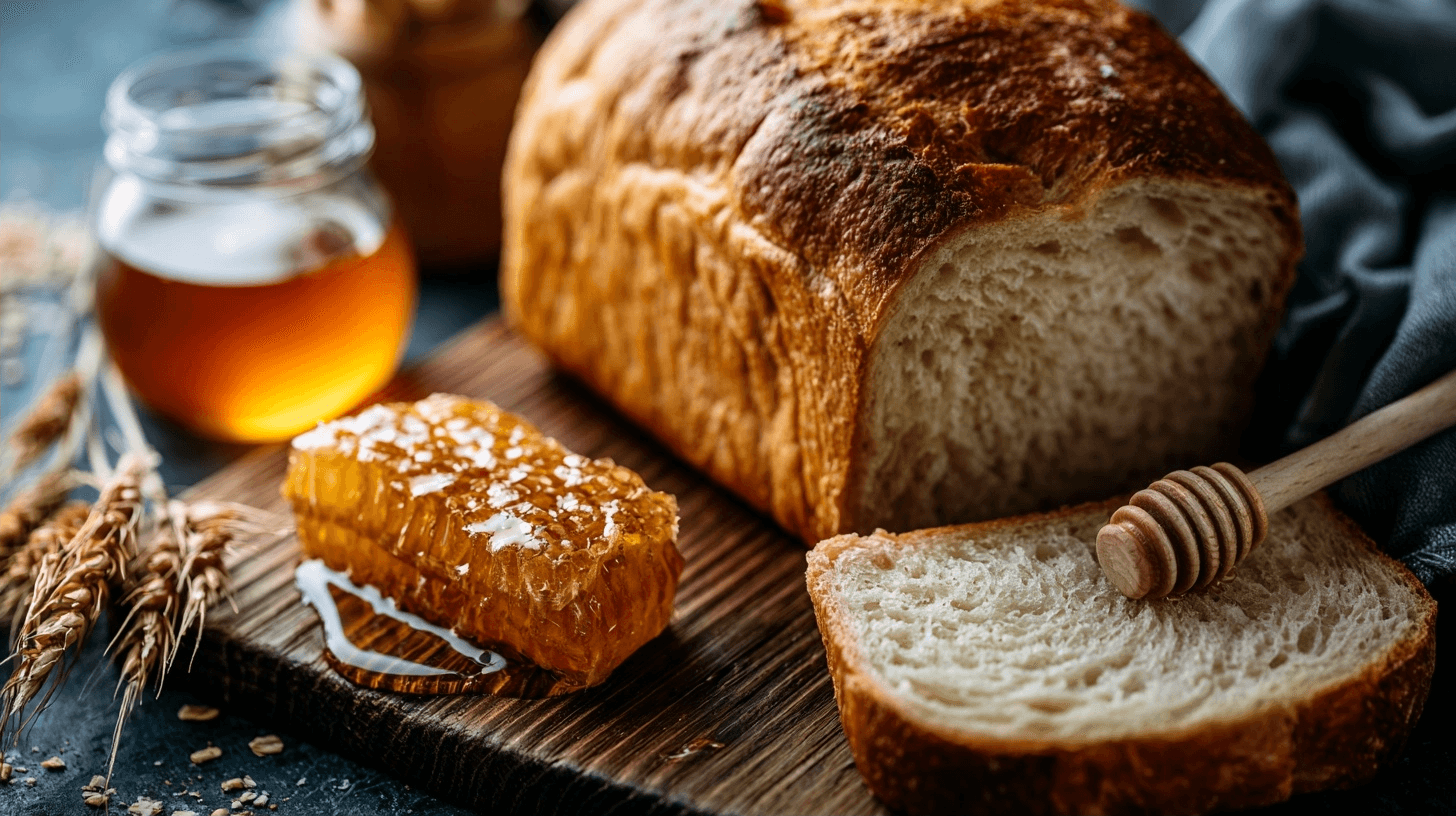
Are you curious if honey bread is a healthy choice for your diet? Many people enjoy the sweet flavor and soft texture of this popular baked good. Honey bread generally refers to a type of sweet bread where honey is a primary sweetener and flavor enhancer. It often replaces or supplements other sweeteners like granulated sugar. This can influence its nutritional profile.
The healthfulness of honey bread depends on several factors. Consider the specific ingredients and preparation methods used. For instance, bread made with whole wheat flour offers more nutritional benefits than loaves made with refined white flour. Whole grains provide essential fiber and nutrients. Furthermore, the amount of honey and other added sugars plays a significant role. Even natural ingredients like honey contribute to overall sugar intake. We will explore these aspects in detail.
Understanding Honey Bread: What’s Inside?
Honey bread typically contains a range of common baking ingredients. What exactly goes into a basic honey bread recipe? Flour forms the base, often all-purpose or bread flour. A fermenting agent, like yeast, helps the dough rise and develop its characteristic texture. Liquids such as water or milk are added for hydration. Eggs contribute to richness and binding. A touch of salt balances the flavors. Of course, honey is a key component, providing sweetness and a distinct aroma. Some recipes also include a small amount of oil or butter for moisture and tenderness. The nutritional content varies significantly based on these ingredients. For example, using whole wheat flour increases fiber and protein. A sourdough starter can also impact the final product’s digestibility. The total calories, carbs, and fat content depend on the specific proportions in the recipe.
The Role of Grains: Whole Wheat vs. Refined Flour in Honey Bread
When considering the health aspects of sweet rolls, what role do grains play? The type of grain used significantly impacts the nutritional value. Whole wheat flour includes the entire grain kernel. This means it contains the bran, germ, and endosperm. Products made with whole wheat offer more dietary fiber. They also provide essential vitamins and minerals. These include B vitamins, iron, and magnesium. This can contribute to better digestive health. Alternatively, refined flour, like white flour, has the bran and germ removed. This process strips away much of the fiber and nutrients. Consequently, sweet loaves made with refined flour offer less nutritional benefit. They primarily provide carbohydrates. Choosing whole grain options can make your baked goods a more wholesome treat.
Nutritional Breakdown: Honey vs. Other Sweeteners in Bread
Does the choice of sweetener affect the nutritional profile of baked goods? Yes, it certainly does. Different sweetening agents offer varying nutritional contributions to your food. Understanding these differences helps in making informed dietary choices. Many recipes use granulated white crystals as a primary sweetening agent. This common additive provides sweetness but offers minimal micronutrients. Alternatively, molasses, a byproduct of refining cane or beet juice, contains some minerals. These include iron and calcium. Maple syrup, another natural option, also provides small amounts of minerals and antioxidants. When comparing sweetening options, consider their glycemic index. This indicates how quickly a food raises blood glucose levels. Some natural sweetening agents may have a slightly lower glycemic index than refined white crystals. However, all sweetening agents should be consumed in moderation. Excessive intake can lead to adverse health effects.
| Sweetener Type | Key Nutritional Aspects |
|---|---|
| Natural Nectar | Antioxidants, trace minerals, unique flavor profile |
| Granulated White Crystals | Primarily carbohydrates, minimal micronutrients |
| Maple Syrup | Manganese, zinc, antioxidants |
| Molasses | Iron, calcium, potassium |
Potential Health Benefits of Honey Bread
Can sweet rolls offer any health advantages? Yes, they can provide certain benefits depending on their composition. The presence of natural nectar contributes antioxidants. These compounds help protect the body’s cells from damage. Furthermore, some recipes incorporate whole grains. This boosts the baked good’s content of beneficial plant compounds. Whole grains also support digestive wellness. They promote regularity and a healthy gut microbiome. Additionally, the complex carbohydrates in whole grains offer sustained energy. This can help maintain stable blood glucose levels. Some preparations also include various seeds or nuts. These additions provide healthy fats and additional micronutrients.
Potential Downsides and Considerations
What are the potential drawbacks of eating sweet loaves? Even wholesome baked goods can have downsides. Many sweet loaves contain a high caloric density. This means they provide many calories in a small serving. Overconsumption can contribute to weight gain. Additionally, some preparations include significant amounts of added sweeteners. These refined additives offer little nutritional value. They can lead to spikes in blood glucose levels. Furthermore, some bakery items use refined grains. These lack the beneficial plant compounds found in whole grains. Always check the nutritional information. Opt for versions with whole grains and minimal added sweetening agents.
Making Healthier Honey Bread Choices
How can you make more nutritious sweet loaves? Choosing better components is key. Opt for whole-food alternatives instead of refined options. For example, use wholemeal meal instead of bleached versions. Consider the type and quantity of sweetening agents. Natural nectar offers more benefits than processed white crystals. However, moderation is crucial for all sweetening agents. Reduce the overall amount of sweetening agents used. This lowers the total caloric load. Add beneficial extras to your baked goods. Incorporate seeds, nuts, or dried fruits. These additions boost the content of essential minerals and vitamins. They also enhance the texture and taste. Always read labels carefully when purchasing commercially prepared items. Look for products with minimal processing and a shorter list of components.
What to Look for When Buying Honey Bread
When buying sweet baked goods, what should you look for? Prioritize products made with whole cereals. These beneficial plant components support digestive health. They also provide sustained energy throughout the day. Scrutinize the list of components carefully. Look for minimal added sweetening agents. Natural nectar is preferable to artificial alternatives. However, even natural sweeteners should be consumed in moderation. A shorter, recognizable list of components generally indicates a less processed item. Check the overall nutritional profile. Seek products lower in saturated lipids. High amounts of saturated lipids can negatively impact heart wellness. Choose items rich in protein. Protein helps with satiety and muscle repair.
Tips for Baking Your Own Healthy Honey Bread
What are some tips for baking your own healthful sweet loaves? Making your own sweet baked goods allows for complete control over the components. You can significantly enhance its nutritional value. Start with wholemeal meal. This ensures a higher concentration of beneficial plant compounds. Reduce the amount of sweetening agents. Many preparations use more than necessary. Consider using natural nectar sparingly for flavor. You can also experiment with fruit purees for sweetness. Incorporate various seeds and nuts. Chia, flax, or sunflower seeds add essential minerals and healthy lipids. Chopped walnuts or almonds also provide a pleasant crunch and extra goodness. These additions boost satiety.
Delicious and Healthy Ways to Enjoy Honey Bread
How can you enjoy sweet baked goods in a delicious and healthy way? Moderation is key when consuming any treat. Enjoying small portions allows you to savor the flavor without overindulging. Pair your sweet slice with wholesome accompaniments. Consider it part of a balanced breakfast. Serve it alongside fresh fruits and a source of lean sustenance. This creates a more satisfying meal. You can also use it as an occasional snack. Spread a thin layer of natural nut butter on your slice. This adds healthy lipids and additional sustenance. Alternatively, top it with fresh berries. They provide vital compounds and a burst of flavor.
Frequently Asked Questions About Honey Bread
What are the benefits of eating sweet rolls?
Consuming sweet rolls can offer a quick energy boost. They often contain natural sweeteners and can be a source of carbohydrates. Some versions may include beneficial additions like whole cereal or seeds.
Are sweet rolls better than regular loaves?
Sweet rolls are not inherently superior to typical loaves. Their nutritional value depends largely on their composition. Many standard loaves, especially wholemeal varieties, provide more dietary roughage and fewer simple carbohydrates.
Do sweet rolls contain a lot of sweeteners?
Yes, sweet rolls generally contain a significant amount of added sweeteners. This contributes to their distinct taste and energy content. Always check the product’s nutritional information for specific details.
Are sweet rolls good for shedding pounds?
Sweet rolls are typically not ideal for a weight management plan. Their higher content of simple carbohydrates and energy density can hinder efforts to reduce body mass. Focus on options with more dietary roughage for better satiety.
Can individuals with diabetes consume sweet rolls?
Individuals managing blood glucose levels should exercise caution with sweet rolls. The elevated sweetener content can impact blood glucose significantly. Consult a healthcare professional for personalized dietary advice regarding these baked goods.
Healthy Homemade Honey Bread
- Total Time: 55 minutes
- Yield: 1 loaf (12-16 slices) 1x
Description
A wholesome honey bread recipe using whole wheat flour and reduced sugar, incorporating beneficial seeds for added nutrition and flavor.
Ingredients
1 cup warm water (105-115°F)
2 ¼ teaspoons active dry yeast (1 standard packet)
¼ cup honey, plus 1 teaspoon for yeast
2 tablespoons olive oil or melted coconut oil
1 teaspoon salt
2 ½ cups whole wheat flour
½ cup mixed seeds (chia, flax, sunflower, or sesame)
Instructions
In a large bowl, combine warm water and 1 teaspoon of honey. Sprinkle the yeast over the top and let it sit for 5-10 minutes until foamy.
Add the remaining ¼ cup honey, olive oil, and salt to the yeast mixture. Stir well.
Gradually add the whole wheat flour, one cup at a time, mixing until a shaggy dough forms. Add the mixed seeds and continue to mix until just combined.
Turn the dough out onto a lightly floured surface and knead for 8-10 minutes, or until smooth and elastic. If the dough is too sticky, add a little more flour, one tablespoon at a time.
Lightly grease a clean bowl with olive oil. Place the dough in the bowl, turning once to coat. Cover with plastic wrap or a clean kitchen towel and let rise in a warm place for 1-1.5 hours, or until doubled in size.
Punch down the dough gently to release air. Shape it into a loaf and place it into a lightly greased 9×5 inch loaf pan.
Cover the loaf pan with plastic wrap or a kitchen towel and let it rise again for 30-45 minutes, or until it has nearly doubled in size and risen above the rim of the pan.
Preheat your oven to 375°F (190°C) during the second rise.
Bake for 30-35 minutes, or until the crust is golden brown and the internal temperature reaches 200-210°F (93-99°C).
Remove the bread from the oven and immediately transfer it to a wire rack to cool completely before slicing.
- Prep Time: 20
- Cook Time: 35