
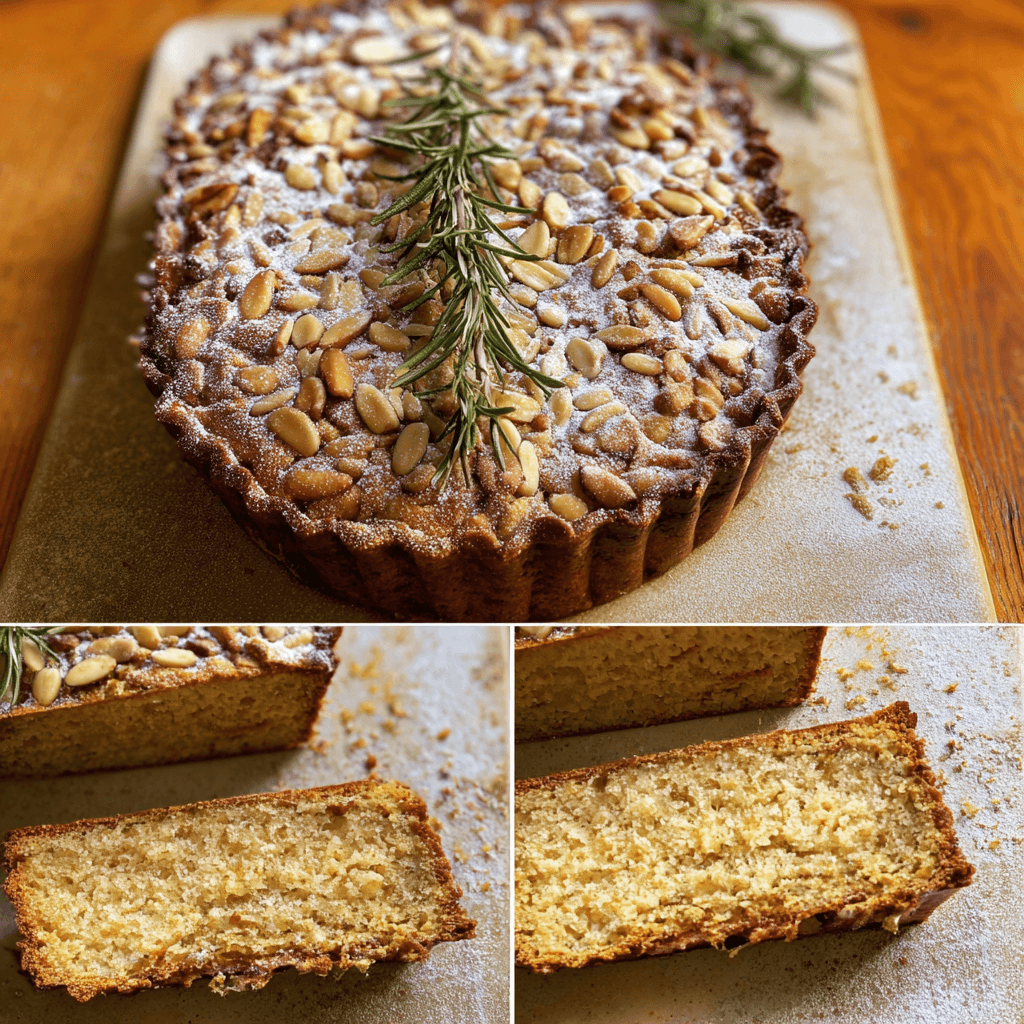
On a rainy afternoon in my kitchen, the smell of baked bread and rosemary filled the room, transporting me back to my days apprenticing at a small Italian bakery. What set this loaf apart was its subtle crunch and the warm aroma of toasted pine nuts mixed with fresh herbs. That’s when I decided to bring this rustic, Mediterranean-inspired bread into my own recipe portfolio. Here’s my take on the Rosemary Pine Nut Bread — a recipe that’s quick, easy, and brings a sense of comfort with every bite. Whether it’s a weeknight meal or a weekend treat, this dish is family-friendly, customizable, and always a hit.
Recipe Overview
| Prep Time | 15 minutes |
|---|---|
| Cook Time | 25 minutes |
| Total Time | 2 hours |
| Servings | 8–10 slices |
| Difficulty | Moderate |
| Cuisine | Mediterranean, American |
Why This Recipe Works
There’s something special about the combination of fresh rosemary and toasted pine nuts in a loaf of bread. The rosemary adds an aromatic, slightly piney flavor that’s both earthy and refreshing. Pine nuts contribute a nutty crunch that adds texture and subtle sweetness. When baked well, these ingredients create a loaf that is not only visually appealing but also a joy to taste. The dough is easy to handle, and the rising process is forgiving, even for bakers who are still learning the craft.
What works even better is how versatile this bread is. I’ve made it for dinner parties, as a side for soups and salads, and even as an accompaniment to cheese board spreads. The honey in the water-yeast mix gives just the right amount of sweetness without overpowering the herbs or nuts. Every time I serve it, it becomes the center of attention at the table.
Ingredients
| Ingredient | Quantity | Notes |
|---|---|---|
| All-purpose or bread flour | 2 1/2 cups | Bread flour gives a stronger gluten structure |
| Yeast (instant or active dry) | 1 package (2 1/4 tsp) | Active dry yeast needs to be activated first |
| Salt | 1 tsp | Enhances flavor and controls yeast growth |
| Warm water (100-110°F) | 1 1/4 cups | Perfect temperature for yeast activation |
| Honey | 1 tbsp | Adds a subtle sweetness and aids in browning |
| Olive oil | 1/4 cup | Contributes to a moist and tender crumb |
| Chopped fresh rosemary | 3 tbsp | Use stems removed and leaves finely chopped |
| Pine nuts (toasted) | 1/4 cup | Toast until golden and aromatic |
| Egg yolk (optional for egg wash) | 1 | Gives a shiny crust and enhances color |
| 1 tsp water (for egg wash) | 1 tsp | Mix with egg yolk to brush over loaf |
Step-by-Step Instructions
1. Activate the Yeast
- Combine warm water, honey, and yeast in a small bowl.
- Let it stand for 5 minutes until it becomes foamy. This shows the yeast is active.
2. Mix the Dough
- In a large mixing bowl, combine the flour, salt, and rosemary.
- Stir in the yeast-water mixture and olive oil. Mix until a soft, slightly sticky dough forms. Use a wooden spoon or hands for the first few turns.
3. Knead the Dough
- Turn the dough onto a lightly floured surface and knead for 10 minutes. The dough should become smooth, elastic, and slightly tacky but not sticky.
- Stretch and fold it periodically for better development.
4. Let the Dough Rise
- Grease a large bowl and place the dough inside. Cover with a clean towel or plastic wrap.
- Let rise in a warm place for 1 hour or until nearly doubled in size. A turned-off oven with the light on is ideal.
5. Shape and Top the Loaf
- Gently deflate the dough and shape it into a loaf or flatten into a focaccia-style rectangle, depending on your preference.
- Brush the surface with egg wash (if using).
- Sprinkle the top generously with toasted pine nuts and a bit more chopped rosemary.
6. Bake the Bread
- Preheat oven to 390–400°F (200–205°C). Line a baking sheet or use a loaf pan if necessary.
- Place the loaf on the pan and bake for 20–25 minutes, or until it is golden brown and sounds hollow when tapped on the bottom.
- Transfer to a wire rack to cool completely before slicing.
Chef Tips for Perfect Results
- Use room-temperature olive oil for easier blending and better texture.
- Let the dough rest for 10 minutes after kneading if it feels too elastic or tight.
- Brush the loaf with water just before sliding it into the oven for a crispier crust.
- If using a bread pan, be careful not to overfill — leave at least 1 inch at the top for expansion.
- For a stronger rosemary flavor, steep the rosemary in a bit of water or olive oil for 10 minutes before adding to the dough mixture.
Common Mistakes to Avoid
- Underproofing: If the dough doesn’t rise adequately, the bread will be dense and gummy. Let rise in a warm place without drafts.
- Overmixing: Mixing for too long can lead to a tough, doughy texture. Stick to the 10-minute knead and stop as soon as the dough becomes smooth and elastic.
- Poor Crust Development: Not using an egg wash or not brushing it on before baking can result in a dull, flat crust. Apply the wash evenly and bake in a hot oven.
- Underbaking: Check the internal temperature with an instant-read thermometer. It should be 190–200°F (88–93°C) to ensure it’s fully cooked through.
Variations and Substitutions
| Ingredient | Substitution | Impact on Flavor |
|---|---|---|
| Rosemary | Oregano | More robust and slightly peppery flavor |
| Pine nuts | Pecans or walnuts | More pronounced nutty flavor; adjust based on preference |
| All-purpose flour | Bread flour | Creates a tighter grain structure and more chewy texture |
| Honey | Maple syrup | Provides slightly similar sweetness but richer flavor |
| Olive oil | Coconut oil | Slight coconut flavor, good for vegan options |
Serving Suggestions and Pairings
Rosemary Pine Nut Bread is incredibly versatile. Here are some pairings to consider:
- Toast with butter and drizzle with fig jam for a quick breakfast.
- Serve with hummus, olives, and marinated vegetables for an appetizer spread.
- Use it to make Mediterranean toast topped with goat cheese and roasted tomatoes.
- Pile a warm slice with a slice of sharp cheddar and a handful of arugula for a satisfying snack.
- Pair with a chilled white wine or craft beer for a simple yet elegant appetizer platter.
Storage and Reheating
| Method | Duration | Instructions |
|---|---|---|
| Room temperature | 2–3 days | Store in an airtight container or wrapped in breathable linen to maintain texture. |
| Freezer | 1 month or more | Wrap tightly in plastic then aluminum foil or place in freezer bags. Thaw at room temperature and reheat. |
| Oven | N/A | Preheat to 350°F (175°C) and bake for 10–15 minutes, wrapped in foil to reheat without drying out. |
| Toaster oven | N/A | Reheat slices for 2–3 minutes; use at intervals to avoid burning. |
| Stovetop | N/A | Heat in a dry skillet over medium heat for 30 seconds per side. |
Nutritional Information
| Nutrient | Amount per Serving (1 slice, 2.5 oz) |
|---|---|
| Calories | 240 |
| Protein | 6 g |
| Fat | 9 g |
| Carbohydrates | 30 g |
| Fiber | 2 g |
| Sugar | 4 g |
| Sodium | 300 mg |
Frequently Asked Questions
Can I use almond flour instead of all-purpose flour?
No, almond flour requires a completely different approach and will not yield the same texture. Stick to wheat-based flour for the structure necessary in bread making.
How do I know when the bread is done?
The best test is to tap the bottom — it should sound hollow. Alternatively, use an instant-read thermometer to check the internal temperature: it should read between 190–200°F (88–93°C).
Can I bake it in a cast iron skillet?
Yes, but the crust may be more dense and rich. Preheat the skillet in the oven for 10 minutes before placing the loaf in to enhance browning.
Can I make the dough the night before baking?
Absolutely! Cover the dough and refrigerate overnight. Bring it to room temperature before shaping and baking the next day.
What if I don’t have an egg yolk for the wash?
An egg yolk wash is optional but recommended for color and shine. You can skip it or substitute with a milk wash for a lighter finish.
Conclusion
Rosemary Pine Nut Bread is a satisfying, aromatic addition to any meal. Whether you’re a home baker looking to branch out with herbs and nuts or someone who loves fresh, crusty bread, this is the perfect recipe to try. Its easy-to-follow steps and rewarding payoff make it a great choice for any baking enthusiast. Give it a shot, and enjoy the rich, nutty flavor and soft crumb with every slice. Here’s to the joy of baking and the warmth of the kitchen.
Print
Rosemary Pine Nut Bread
- Total Time: 120
- Yield: 8-10 slices 1x
- Diet: Vegetarian
Description
A rustic Mediterranean-inspired sourdough loaf with aromatic rosemary and toasted pine nuts for a nutty crunch. Moist, aromatic, and perfect for meals or snacks.
Ingredients
2 1/2 cups all-purpose or bread flour
1 package (2 1/4 tsp) yeast
1 tsp salt
1 1/4 cups warm water
1 tbsp honey
1/4 cup olive oil
3 tbsp chopped fresh rosemary
1/2 cup toasted pine nuts
Instructions
Dissolve yeast in warm water with honey
Combine flour, salt, rosemary, and olive oil
Knead dough until smooth (5-7 minutes)
Cover and let rise 1 hour
Preheat oven to 375°F (190°C)
Place dough on baking sheet, shape into a loaf
Top with pine nuts
Bake 25 minutes or until golden
Notes
Use bread flour for stronger gluten
Active dry yeast needs warm water activation
Substitute walnuts for pine nuts if preferred
Store in airtight container for 3 days
- Prep Time: 15
- Cook Time: 25
- Category: BAKING
- Method: Baking
- Cuisine: Mediterranean, American
Nutrition
- Serving Size: 1 slice
- Calories: 165
- Sugar: 2g
- Sodium: 250mg
- Fat: 11g
- Carbohydrates: 24g
- Protein: 4g