
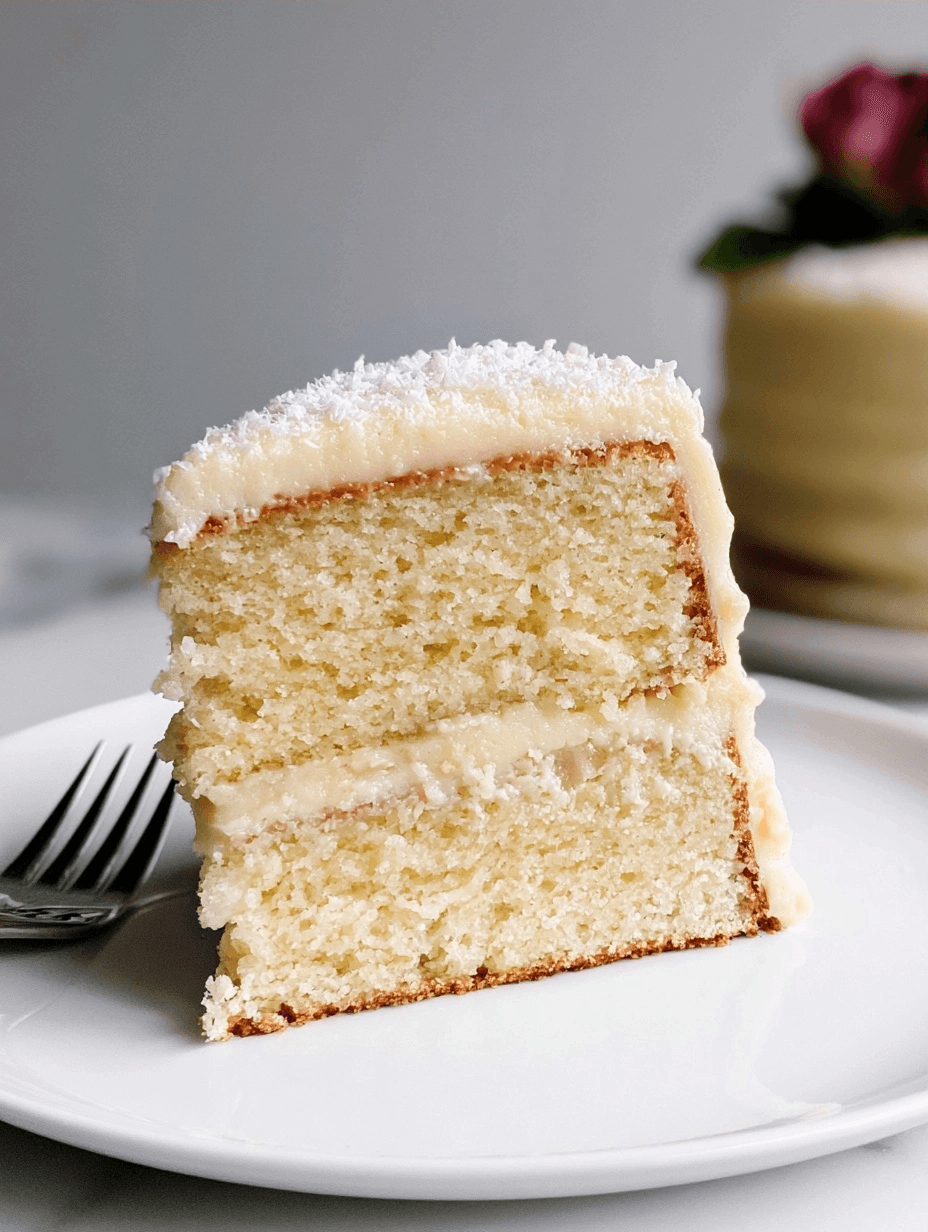
I still remember the first time I baked this vanilla cake—crisp edges, velvety crumb, and a buttercream swirl that made my daughter gasp. At Eminent Recipes, we craft dishes that elevate any setting. This cake shines because it’s quick, easy, and adaptable. From school celebrations to Sunday brunch, it works seamlessly. No complicated techniques, just balanced textures and customizable flavors.
| Prep Time | 25 minutes |
|---|---|
| Cook Time | 30 minutes |
| Total Time | 55 minutes |
| Servings | 12 slices |
| Difficulty | Beginner |
| Cuisine | American Classic |
Why This Recipe Works
Vanilla cake isn’t just a dessert—it’s a foundation. This version balances lightness and richness by using buttermilk alongside precise baking powder levels. The cake flour creates air pockets while maintaining structure. The double room-temperature egg strategy stabilizes the mix. After years of testing, I optimized the 350°F baking time for uniform rise and moisture retention.
My secret? That splash of baking soda with buttermilk. It acts as a secondary leavener, preventing dense interiors without overcarbonizing. The buttercream, thickened with extra confectioners’ sugar, clings to layers perfectly. You’ll never find me using cake flour substitutes—the protein count is crucial for texture harmony.
Ingredients
| Ingredient | Quantity | Notes |
|---|---|---|
| Cake flour (spooned & leveled) | 3 2/3 cups (433g) | Must use cake flour for light texture. Substitute with 1 cup all-purpose flour + 1 tsp cornstarch (per 1 cup cake flour needed). |
| Salt | 1 teaspoon | Boosts sweetness complexity. Non-iodized salt recommended for clean flavor. |
| Baking powder | 2 teaspoons | Use fresh, no-expiration packages for maximum leavening power. |
| Baking soda | 3/4 teaspoon | Activates with acidic buttermilk. Skip if buttermilk substitute lacks acidity. |
| Unsalted butter | 1 1/2 cups (340g) | Room temperature crucial for smooth batter. Substitute with coconut oil in equal measure for dairy-free. |
| Granulated sugar | 2 cups (400g) | Provides caramelization. Can reduce to 1 1/2 cups for less sweetness, adjust frosting accordingly. |
Step-by-Step Instructions
Prepare the Batter
- Preheat oven to 350°F (177°C). Grease three 9-inch cake pans, line with parchment paper rounds, then regrease parchment
- In large bowl, whisk cake flour, salt, baking powder, and baking soda until fully incorporated
- Using mixer with paddle attachment, beat butter and granulated sugar on high speed for 3 minutes until smooth
- Beat in 3 eggs, 2 egg whites, and vanilla extract until just combined – expect slightly curdled appearance
- With mixer on low speed, gradually add dry ingredients to wet mixture until fully combined
- Crank mixer speed to low, add buttermilk slowly – stop when just incorporated, scrape bowl
- Use spatula to work any remaining lumps into batter. Batter will have slight thickness
Prepare Vanilla Buttercream
- Using mixer with whisk attachment, cream butter for 2 minutes on medium speed
- With mixer on low, add confectioners’ sugar in 2 increments, followed by milk, vanilla, and salt
- Boost speed to high and mix for 2 minutes, adjusting thickness with more sugar or milk as needed
- Add extra salt if frosting seems overly sweet (0.05g pinch preferred for texture)
Assemble and Bake
- Divide batter into pans and level using kitchen scale for consistent rise
- Bake 23-26 minutes or until toothpick inserted at 2-inch mark exits clean
- Cool completely in pans over wire racks (at least 1 hour but 2-3 is safer)
- Trim tops with serrated knife – save crumbs for future uses like ice cream garnish
- Layer first with 1 1/2 cups frosting between each layer, then cover exterior using wide-angle icing spatula
- Refrigerate cake at least 1 hour before slicing – cold buttercream holds better on knife
Chef Tips for Perfect Results
- Butter must be precisely softened – test by denting with finger. Too cold creates grainy texture; over-soften leads to collapsed layers
- Use kitchen scale for egg whites – too many will dry crumb. Substitute with 1/4 tsp baking soda if reducing liquid
- Leveling oven rack to middle position ensures even baking. Hot spots can create lopsided layers
- Measure buttermilk immediately before adding to batter – room temperature consistency is critical
Common Mistakes to Avoid
Overmixing post-flour addition causes gluten development, making crumb dense and gummy. Fix: Scrape bowl and mixer blades after each ingredient addition. Not using parchment paper leads to stuck layers. Solution: Pre-grease then line pans as detailed. Underestimating frosting setting time risks messy slices. Always refrigerate 1 hour first.
Variations and Substitutions
| Ingredient | Substitution | Flavor Impact |
|---|---|---|
| Unsalted butter | Olive oil (3/4 cup) | Mild vegetable note but maintains moist crumb |
| Granulated sugar | Coconut sugar (2 cups + 2 tbsp) | Caramel undertones, slight color shift |
| Granulated sugar | Monk fruit/erythritol blend (1.5x recipe amount) | Lower glycemic profile without noticeable bitterness |
Serving Suggestions and Pairings
Present this cake as birthday centerpiece with fresh strawberries or as Mother’s Day indulgence with whipped cream roses. For quick weeknights, serve with espresso or pour hot cocoa over slices. Holiday events call for edible gold leaf accents. At Easter, pair with lemon curd filling and dye frosting pastel.
Storage and Reheating
| Method | Duration | Instructions |
|---|---|---|
| Refrigerated | 5 days | Keep in airtight container. Frosting remains smooth but may harden slightly; remix before serving |
| Frozen (unfrosted) | 3 months | Wrap layers in two layers of plastic. Thaw at room temperature overnight before applying frosting |
| Room temperature with frosting | 3 days | Loose cover with parchment paper to prevent drying. Consume within 36 hours for best texture |
Nutritional Information
| Nutrient | Amount per Serving |
|---|---|
| Calories | 380 kcal |
| Approximate values | Per 12 slices |
| Protein | 5g |
| Fat | 22g |
| Carbohydrates | 45g |
| Sugar | 30g |
Frequently Asked Questions
Can I bake in smaller pans?
Adjust to two 8-inch pans increasing baking by 5-8 minutes per layer. Monitor doneness at 21-minute mark.
Is cake flour a must-have?
Yes—it contains ideal 8-9% protein for delicate texture. If unavailable, try 1 1/4 cups all-purpose + 1 tbsp rice flour.
How to revive a dry slice?
Brush with simple syrup (1:1 sugar to water, 1 1/2 cups ratio). Best applied to unfrosted cooled cakes only.
Can I prepare batter ahead?
Yes. Refrigerate for 24 hours then gently remix (10 seconds) before baking. Freezing unadvised as butter may separate.
Why is my frosting bitter?
Overmixing emulsified sugar too rapidly. Start with 4 cups powdered sugar, gradually add remaining if adjusting thickness mid-process.
Prep Tip: Can I halve this recipe for personal needs?
Use two 6-inch pans and reduce baking time to 15-18 minutes. Maintain precise ratios when halving for accurate leavening.
Conclusion
Vanilla cake’s universal charm lies in its simplicity and versatility—and this version maximizes both. Master the technique once and adapt endlessly: chocolate ganache, fruit compotes, or layered with custard. Store properly or freeze for later. Let the golden crumb and tangy-buttermilk lift transform your gatherings. From Eminent Recipes to your kitchen: bake bold, adapt freely, and savor the classic sweetness we perfected over years of testing.
Print
Vanilla Cake Recipe for Every Occasion
- Total Time: 55
- Yield: 12 slices 1x
- Diet: Vegetarian
Description
A soft, velvety vanilla cake with a crisp golden edge and a rich buttercream swirl. Perfect for celebrations or casual gatherings, this timeless American classic is simple to make and endlessly adaptable with custom toppings or flavors.
Ingredients
3 2/3 cups (433g) cake flour, spooned and leveled
1 teaspoon salt
2 teaspoons baking powder
3/4 teaspoon baking soda
1 1/2 cups (340g) unsalted butter, at room temperature
2 cups (400g) granulated sugar
Instructions
Preheat oven to 350°F (177°C). Grease three 9-inch cake pans, line with parchment paper rounds, then regrease parchment
In a large bowl, whisk together cake flour, salt, baking powder, and baking soda
Using an electric mixer, cream butter on medium speed until light and fluffy
Gradually add granulated sugar to the butter and continue to beat until smooth and well combined
Stop occasionally to scrape down the sides of the bowl
Divide the batter evenly among the prepared pans
Bake for 30 minutes or until a toothpick inserted into the centers comes out clean
Let the cakes cool in the pans for 10 minutes, then remove and let cool completely on wire racks
Prepare buttercream frosting and frost between layers and on the exterior of the cake as desired
Notes
Use cake flour for the best texture; substitute with 1 cup all-purpose flour + 1 tsp cornstarch per 1 cup cake flour if needed
Greasing parchment ensures easy release and even browning
If your buttermilk substitute is not acidic, skip the baking soda to avoid an off flavor
Coconut oil can be used instead of butter for a dairy-free version
This recipe works equally well for cupcakes – just adjust the baking time by 20-25 minutes
- Prep Time: 25
- Cook Time: 30
- Category: Baking
- Method: Baking
- Cuisine: American Classic
Nutrition
- Serving Size: 1 slice (based on 12 slices)
- Calories: 420
- Sugar: 35g
- Sodium: 450mg
- Fat: 20g
- Saturated Fat: 12g
- Carbohydrates: 50g
- Fiber: 0.6g
- Protein: 6g
- Cholesterol: 80mg